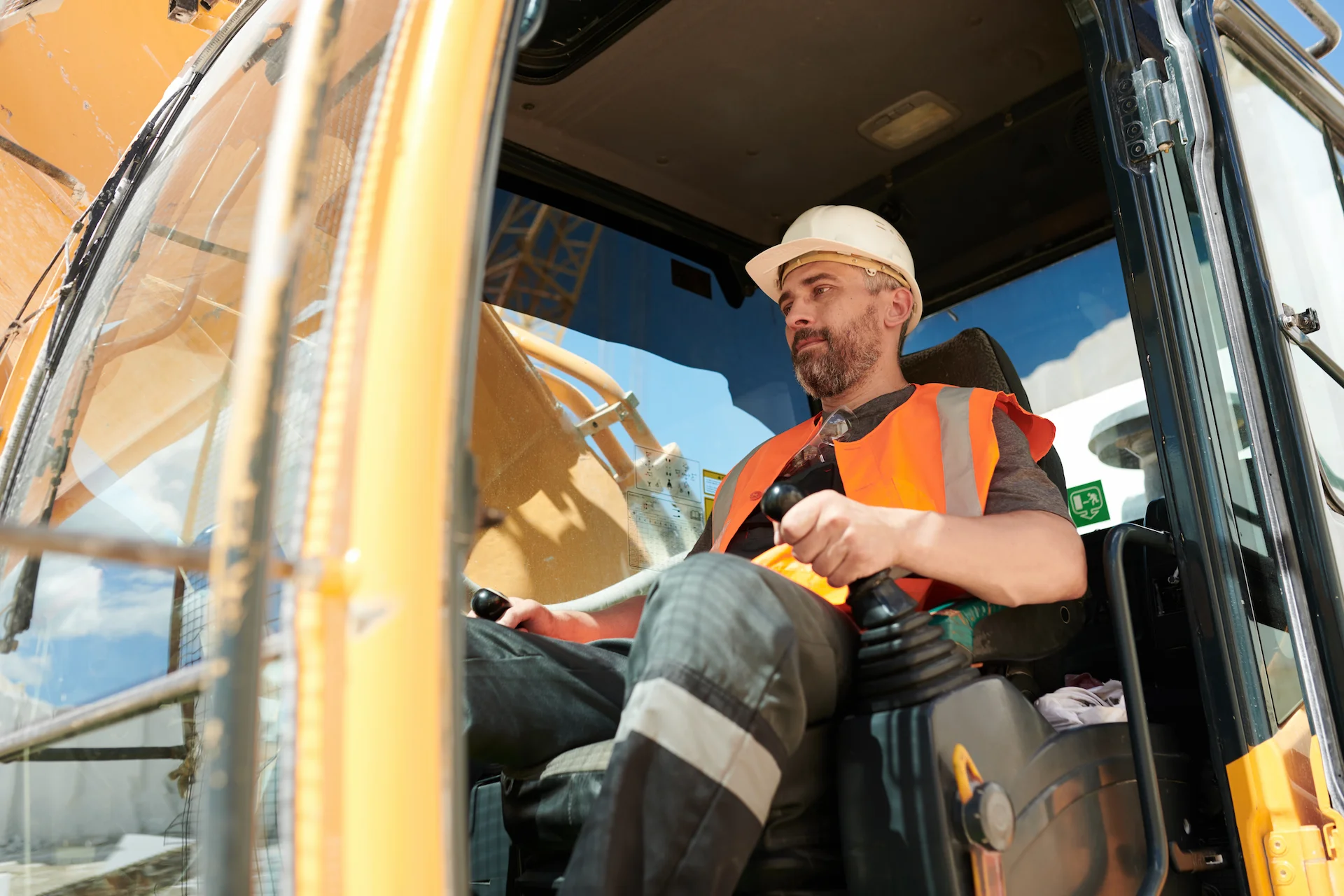
A modern excavator cab showcasing digital construction technology, including GPS screens and sensor arrays protected by durable polycarbonate windows.

Digitization and Automation in Construction: Transforming Earth-Moving Equipment

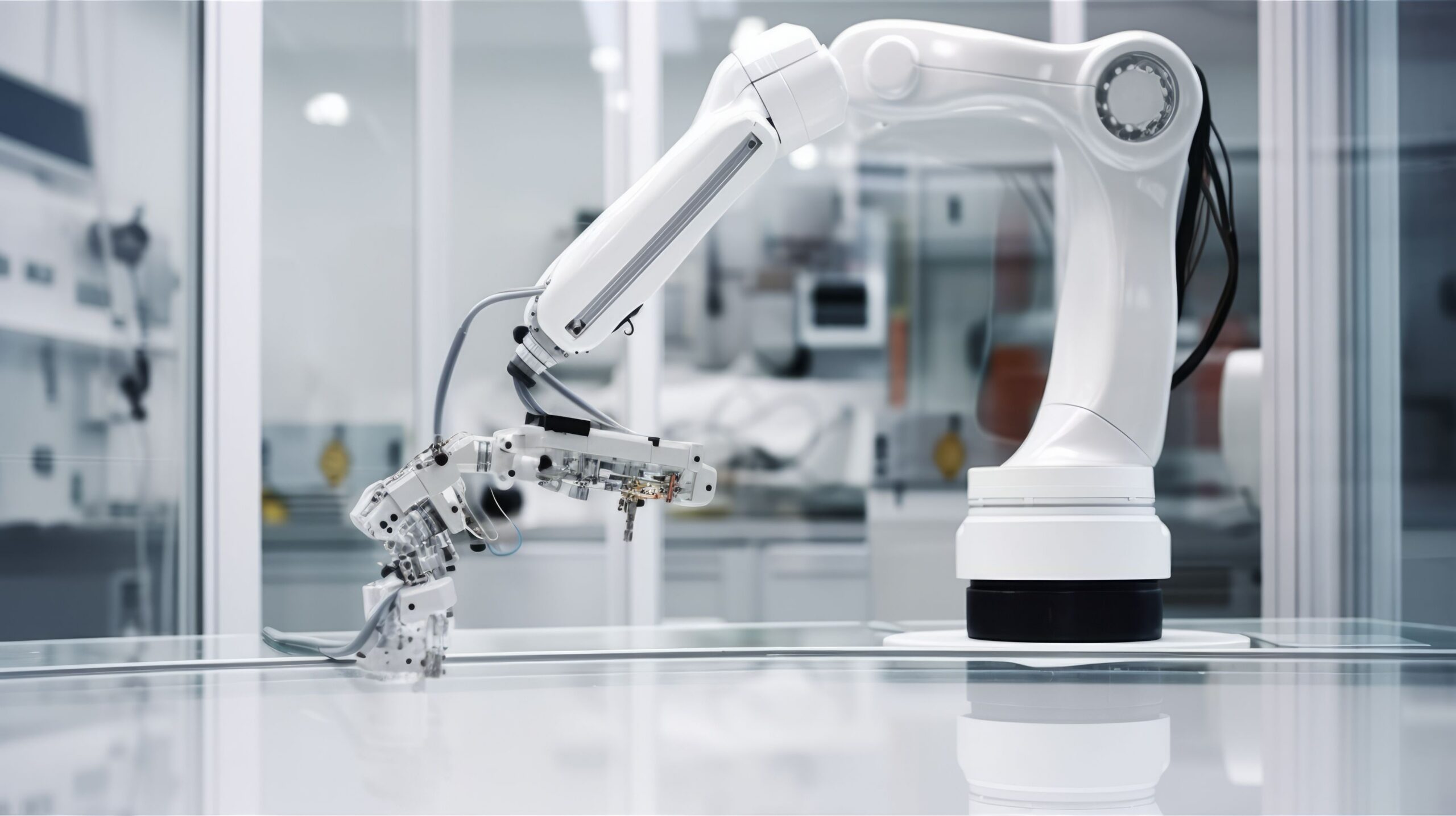
The construction industry is undergoing a transformation, shifting from traditional, labor-intensive practices to highly efficient, data-driven ecosystems. This change, powered by automation and advanced earth-moving technologies, brings significant benefits to both Original Equipment Manufacturers (OEMs) and their customers.

Why Construction Digitization is No Longer Optional

The construction sector faces persistent challenges such as cost overruns, project delays, and safety concerns. Construction digitization directly addresses these issues, converting traditional machinery into smart, connected assets. 

The Core Technologies Driving Smart Machinery

The foundation of this digital shift is an integrated suite of advanced technologies:

Telematics & IoT

Often referred to as the “nervous system” of modern machinery, telematics and IoT systems track essential machine metrics such as operation hours, location, and fuel consumption. They enable predictive maintenance by monitoring health in real time.

GPS & Machine Control

GPS and machine control systems deliver centimeter-level precision, ensuring that dozers, graders, and excavators operate exactly as intended. These systems minimize errors, reduce rework, and guarantee that projects are executed with the highest accuracy.

Sensors & LiDAR

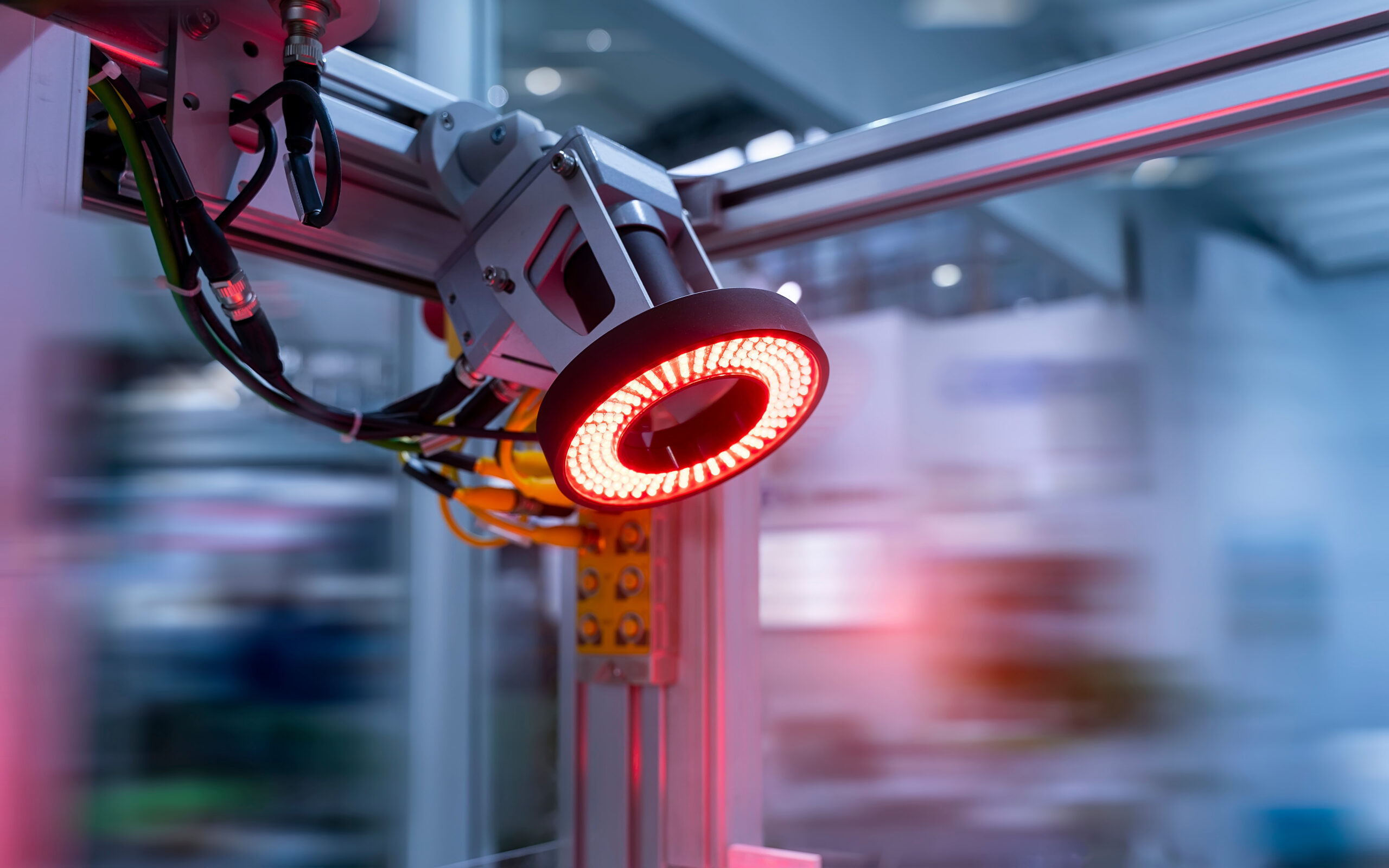
Acting as the “eyes” of the machine, sensors and LiDAR generate 3D maps of the worksite, detect obstacles, and provide real-time data, enabling seamless automated operations and optimizing workflow.

Solving the Durability Challenge with Advanced Materials

Traditional materials simply can’t meet the demands of modern, digital construction equipment. Steel enclosures are heavy and often interfere with GPS and IoT signals, while standard glass provides minimal protection for vulnerable sensors.

Enter advanced materials. High-performance thermoplastics and composites offer a unique blend of impact strength, low weight, design flexibility for environmental seals, and excellent signal transparency, making them ideal for protecting the digital systems driving smart machinery.

How Five Star Fabricating Enables Advanced Digitization

Digital systems must perform reliably in harsh environments. That requires durable, precisely engineered protection. Five Star Fabricating designs and manufactures components that help OEMs deploy these systems with confidence.

Durable Polycarbonate Windows and  Glazing

  • Challenge: Onboard technologies like GPS, LiDAR, and cameras require clear, unobstructed views, yet are highly vulnerable to debris, impacts, and harsh weather conditions.
  • Solution: Impact resistant, optically clear polycarbonate windows from Five Star Fabricating.
  • Feature-to-Benefit: Our polycarbonate windows are engineered to safeguard sensitive equipment while ensuring maximum sensor clarity. Advanced hydrophobic and scratch-resistant coatings keep the windows operational in the toughest conditions, maintaining the integrity of automation and machine control systems.

Custom Thermoformed Enclosures and Housings

  • Challenge: Key components like IoT gateways, control modules, and battery systems need to be shielded from dust, moisture, and vibration.
  • Solution: Custom-molded thermoformed plastic enclosures provide the ideal solution to protect these sensitive components.
  • Feature-to-Benefit: We design durable, lightweight enclosures that are precision-molded and sealed to safeguard against environmental contaminants. This ensures the longevity and reliability of the essential digital systems within construction machinery.

Five Star Fabricating provides specialized protection so advanced technology can perform reliably in demanding field conditions.

The Benefits for OEMs and End-Users

When properly protected, the advantages of automated construction machinery are undeniable:

  • Enhanced Safety: Automation removes operators from hazardous environments, while sensors help prevent collisions, significantly improving on-site safety.
  • Increased Productivity: Automated machines can work with greater precision, reducing rework and accelerating timelines, which boosts overall productivity.
  • Solving Labor Shortages: Autonomous machinery complements human labor, allowing operators to manage fleets rather than individual machines, addressing workforce challenges in the construction industry.

Automation in construction offers a trifecta of strategic benefits: it significantly enhances on-site safety, drives productivity through increased precision, and provides a scalable solution to the labor shortages impacting the industry.

From Operator-Assist to Full Automation in Construction

At the heart of this transformation is automation. What begins with operator-assist systems, like grade control, evolves into semi-autonomous and fully autonomous machines capable of performing repetitive tasks 24/7. This shift toward automation is a key value proposition for OEMs and technology integrators, pushing the design of fully connected and automated worksites.

Frequently Asked Questions: Digitization and Earth-Moving

What is construction digitization?

It is the integration of technologies such as IoT, GPS, and data analytics into construction projects to make equipment smarter and more efficient.

Build Smarter, Connected Construction Machinery with Advanced Materials

As construction sites evolve into connected, automated ecosystems, OEMs must protect the technologies driving this transformation. Five Star Fabricating engineers lightweight, impact-resistant, signal-transparent components that safeguard sensors, LiDAR, cameras, GPS hardware, and IoT systems, ensuring digitized machinery performs reliably in the field.

A yellow heavy-duty excavator on a construction site, illustrating the type of heavy machinery used in modern earth-moving applications.

Enhancing Durability in Electric Heavy Machinery with Polycarbonate Components

The shift to electric heavy machinery is gaining momentum, fueled by the growing demand for sustainability and operational efficiency. However, this transition introduces new engineering challenges, particularly in balancing vehicle weight, battery life, and component durability.

The Challenge for Electric Construction Equipment

Electric-powered systems dramatically change the design and operational demands of heavy equipment, creating a unique set of challenges:

  • The Weight-to-Range Problem: Every pound of vehicle weight directly impacts battery-electric efficiency. Traditional materials like steel and glass are heavy, reducing operational range and requiring larger, costlier battery packs.
  • Vibration and Stress: Electric drivetrains generate different vibration frequencies compared to diesel engines, placing unique stresses on operator cabs, enclosures, and structural components.
  • Operator Safety Standards: OEMs can’t compromise on safety. Cabs must meet or exceed ROPS/FOPS standards, but achieving this with traditional materials often adds excessive weight.
  • Thermal Management & Shielding: Battery systems and high-voltage electronics generate significant heat and need protection from external temperatures. Materials must offer thermal insulation or withstand high operating temperatures.
  • Component Integration & Digitization: Electric machinery depends heavily on sensors, onboard computers, and advanced telematics. Components must be designed to accommodate these electronics.

OEMs face a critical challenge: balancing the need for lightweight materials to maximize battery range against the non-negotiable requirements of component durability and operator safety.

Solving the E-Mobility Challenge with Advanced Materials

Overcoming these challenges requires a shift to new materials – specifically advanced thermoplastics and lightweight composites. Traditional materials are no longer sufficient to meet the needs of next-gen electric heavy machinery.

Why Polycarbonate Components Lead the Charge

Advanced polycarbonate components provide an innovative solution to the core challenges of electric heavy machinery, offering properties that traditional materials cannot match.

  • Significant Weight Reduction: Polycarbonate windows, guards, and panels can be up to about 50% lighter than comparable glass or metal assemblies, directly boosting battery efficiency and range.
  • Extreme Impact Resistance: Polycarbonate delivers impact strength far above glass, helping protect operators in systems designed to meet ROPS and FOPS, and shielding critical electronic components such as battery packs and charging ports.
  • Design and Manufacturing Flexibility: Polycarbonate can be thermoformed into complex, aerodynamic shapes for modern cab designs and custom-molded enclosures for intricate battery systems. This level of design freedom far surpasses the capabilities of flat glass or stamped metal.
  • Inherent Durability and Stability: As an amorphous material, polycarbonate offers excellent dimensional stability and rigidity. It maintains toughness in extreme temperatures, from -20°C to 135°C (275°F), making it ideal for protecting high-heat battery systems and sensitive electronics.
  • Standards Context: For cab glazing safety, designs should align with applicable standards such as ANSI Z26.1 and SAE J673.

Polycarbonate components solve the primary challenges of electric heavy machinery by offering lightweight durability, superior impact resistance, and unparalleled design flexibility. 

Specs That Matter

A quick snapshot below summarizes common ranges and why they matter during material selection and design reviews.

Parameter Typical Guidance or Options Why It Matters
Thickness range 3 to 12 mm typical for cab glazing; component specific for enclosures Balances mass, clarity, and impact
Operating temperature About –20 °C to 135 °C, system and coating dependent Supports cold starts and high load duty cycles
Coating options Abrasion-resistant hard coat; anti-fog; UV-stable Maintains clarity and service life
Impact performance Substantially higher than glass; geometry and system dependent Operator and electronics protection
Optical metrics Low haze; high transmittance after coating Visibility and sensor performance
Testing and standards Reference ANSI Z26.1 and SAE J673 for glazing context; verify haze and transmittance per ASTM D1003 Compliance context and objective validation

Use this table as a quick reference during design review, then confirm final specifications through our coatings selection, forming process, and lab testing.

How Five Star Fabricating Enhances Electric Heavy Machinery

At Five Star Fabricating, we partner with OEMs to integrate high-performance polycarbonate components, transforming electrification challenges into a competitive advantage.

  • Advanced Polycarbonate Windows
    Our hard-coated, abrasion-resistant polycarbonate windows deliver glass-like clarity with the lightweight and safety features electric construction equipment requires. This directly reduces vehicle weight, extending battery life and lowering operational costs for end-users.
  • Custom Thermoformed Enclosures and Guards
    We design lightweight, impact-resistant enclosures for sensitive battery systems, charging ports, and electronic control units. These polycarbonate components protect critical systems from vibration, moisture, and site hazards, ensuring maximum uptime and reliability.
  • Lightweight Cab and Body Panels
    By replacing traditional metal or fiberglass panels with thermoformed composites, we help OEMs reduce weight while maintaining structural integrity. This is vital for building sustainable heavy equipment that meets the performance expectations of today’s competitive market.

As your strategic solutions partner, Five Star Fabricating engineers specific polycarbonate windows, enclosures, and panels that allow OEMs to overcome electrification challenges and enhance vehicle performance.

Frequently Asked Questions: Polycarbonate in Heavy Equipment

Is polycarbonate as clear as glass?

Yes. Modern optical-grade polycarbonate offers exceptional clarity. When treated with our advanced hard coatings, it also provides long-lasting resistance to scratching and UV degradation, ensuring continued visibility throughout the life of the machine.

Build the Future of Durable Electric Heavy Machinery

The future of heavy machinery is electric, and its success will rely heavily on advanced materials. Partner with Five Star Fabricating to engineer durable, lightweight, and high-performance polycarbonate components for the next generation of electric heavy equipment.


Construction worker observing heavy equipment emitting black smoke and carbon emissions at a large industrial site, illustrating the environmental impact and need for emissions reduction in heavy machinery.

Reducing Emissions: The Environmental Impact of Electrifying Heavy Equipment

The pressure on heavy industries to decarbonize is no longer just a long-term goal; it’s an urgent operational necessity. For Original Equipment Manufacturers (OEMs), electrification has emerged as the leading strategy to achieve significant emissions reductions in heavy machinery, with far-reaching environmental benefits.

Heavy Equipment’s Current Carbon Footprint

Heavy machinery’s long-standing dependence on diesel engines remains a primary source of environmental emissions. This presents OEMs and their customers with a dual challenge:

  • Greenhouse Gases: The significant output of carbon dioxide (CO2), a major driver of climate change.
  • Local Pollutants: Emissions such as nitrogen oxides (NOx), sulfur oxides (SOx), and particulate matter (PM2.5) that directly harm human health and local air quality.

The impact of these pollutants is staggering. For example, the buildings and construction sector is responsible for nearly 37% of global energy-related CO2 emissions, with a substantial portion originating from on-site heavy equipment.

The Benefits of Electrification

Electrification presents an immediate, measurable opportunity to reduce emissions across the board, not only carbon dioxide but a range of harmful pollutants.

Drastic Reduction in Carbon Emissions

One of the most significant benefits of electrification is the elimination of tailpipe emissions. For heavy equipment operating in urban or enclosed spaces, this transformation is nothing short of revolutionary. It directly supports both corporate and national emissions reduction targets.

While the “well-to-wheel” carbon footprint still depends on the energy grid’s source, the immediate on-site elimination of pollutants is a game-changer.

Improving Air Quality and Operator Health

Electrification also removes harmful emissions like nitrogen oxides, sulfur oxides, and particulate matter, resulting in cleaner air and healthier working environments. This shift plays a crucial role in sustainable construction practices, contributing to the well-being of the workforce and surrounding communities.

Noise Pollution Abatement

An often overlooked but powerful benefit of electrified heavy equipment is the significant reduction in noise. Quieter machinery translates to several operational and safety advantages:

  • Urban Compliance: Quieter equipment allows contractors to extend work hours in noise-sensitive urban areas, thus improving project timelines.
  • Operator Safety: Reduced noise pollution lowers the risk of long-term hearing damage and enhances communication at the worksite, both vital for accident prevention.
  • Environmental Disruption: Reduced noise levels lessen the impact on local wildlife and residential areas, improving public perception.

Beyond Emissions: The Ripple Effect of Green Construction Equipment

The environmental benefits of electrification extend far beyond emissions reductions, offering critical regulatory and financial advantages to OEMs.

Meeting Regulatory and ESG Mandates

Governments and municipalities worldwide are implementing stricter emissions regulations, creating “low-emission zones” where diesel equipment will be banned. As such, electrification has become a key compliance strategy.

For OEMs, offering green equipment is not just an opportunity; it’s essential for their customers to meet evolving Environmental, Social, and Governance (ESG) mandates.

Creating a Competitive Advantage

OEMs leading the electrification revolution position themselves as forward-thinking innovators, gaining a competitive edge in the marketplace. By equipping customers such as construction firms, logistics companies, and municipalities with sustainable machinery, they can qualify for bids that require low emission equipment.

How Five Star Fabricating Accelerates Emissions Reduction

Transitioning to electrified machinery isn’t as simple as swapping out a diesel engine for an electric one. It requires re-engineering every component for efficiency and durability. Five Star Fabricating supports OEMs with advanced materials and engineering.

Lightweighting for Maximum Battery Efficiency

  • Challenge: Battery weight, cost, and operational range are the primary engineering hurdles for heavy electric equipment.
  • Solution: Advanced composite panels and high strength thermoformed plastics from Five Star Fabricating.
  • Feature-to-Benefit: By reducing the overall vehicle mass, our lightweight materials extend battery life, increase operational range, and protect the emissions gains by keeping machines productive longer.

Durable Components for Demanding Electric Applications

  • Challenge: Electric systems need robust protection for sensitive components, such as battery enclosures, control modules, and electronics, all while operating in high-impact environments.
  • Solution: High impact polycarbonate glazing and custom molded, impact resistant enclosures.
  • Feature-to-Benefit: These durable materials provide reliable protection for high-voltage battery systems and operators, ensuring the long-term safety and performance required to support the widespread adoption of green machinery.

Frequently Asked Questions: Electrification and Emissions

What are the main sources of emissions in heavy equipment?

Most emissions stem from burning diesel fuel, releasing carbon dioxide and local pollutants such as nitrogen oxides, sulfur oxides, and particulate matter.

Partnering for a Low Emission Future

The transition to electric heavy equipment supports regulatory compliance, public health, and long term competitiveness. 

Five Star Fabricating is helping OEMs overcome the engineering challenges of electrification. With our advanced, lightweight materials and expert solutions, we’re leading the charge in developing the next generation of sustainable, high-performance construction machinery.

Five Star Fabricating, Inc. Acquires Slipstreamer, Inc., Uniting Two Iconic American Brands

Twin Lakes, WI — October 1, 2025 — Five Star Fabricating, Inc., a renowned leader in high-performance automotive, motorsports, and powersports components, today announced the acquisition of Slipstreamer, Inc., a pioneering manufacturer of motorcycle windshields and accessories based in Blaine, Minnesota.

This acquisition unites two legendary American brands, strengthening their combined market presence and setting the stage for expanded innovation, customer value, and product offerings across the powersports, motorsports, and automotive industries.

“We’re thrilled to welcome Slipstreamer into the Five Star family. Slipstreamer’s legacy of excellence, quality craftsmanship, and commitment to innovation perfectly aligns with our vision. Together, we look forward to driving the future of performance products and delivering unmatched value to our customers.”

— Carl Schultz, Founder, Five Star Fabricating

“Joining forces with Five Star represents an exciting chapter for Slipstreamer. Our shared dedication to quality, performance, and customer satisfaction makes this partnership a natural fit. I’m confident that, together, we will uphold and expand our brands’ legendary reputations.”

— Bob Eggerichs, CEO, Slipstreamer

Integration and Customer Impact

As part of the integration, Slipstreamer’s operations will be consolidated into Five Star’s state-of-the-art facility in Twin Lakes, Wisconsin, ensuring world-class manufacturing efficiency, innovation capacity, and customer support.

What Customers Can Expect

  • Accelerated product development and new applications across powersports and performance markets.
  • Broader industry reach across multiple vehicle segments with deeper OEM and aftermarket support.
  • Elevated customer experience through expanded solutions, faster lead times, and integrated engineering.

Media & OEM Inquiries


About Five Star Fabricating, Inc.

Founded in the late 1970s, Five Star Fabricating is a recognized industry leader in innovative composite, plastic, and polycarbonate components serving the motorsports, automotive, aerospace, heavy equipment, and powersports sectors. With operations in Wisconsin and North Carolina, Five Star is driven by a relentless commitment to quality, performance, and customer success.

Learn more about Five Star Fabricating

About Slipstreamer, Inc.

Established in 1973, Slipstreamer has earned its place as America’s largest motorcycle windshield manufacturer. Known for durability, precision, and continuous innovation, Slipstreamer remains a trusted name in enhancing the rider experience. The company is headquartered in Blaine, Minnesota.

Media Contact

Daniel Sanchez
Five Star Fabricating, Inc.
danielsanchez@fivestarbodies.com
262-877-2171

Ensuring Operator Safety in Modern Forestry Equipment

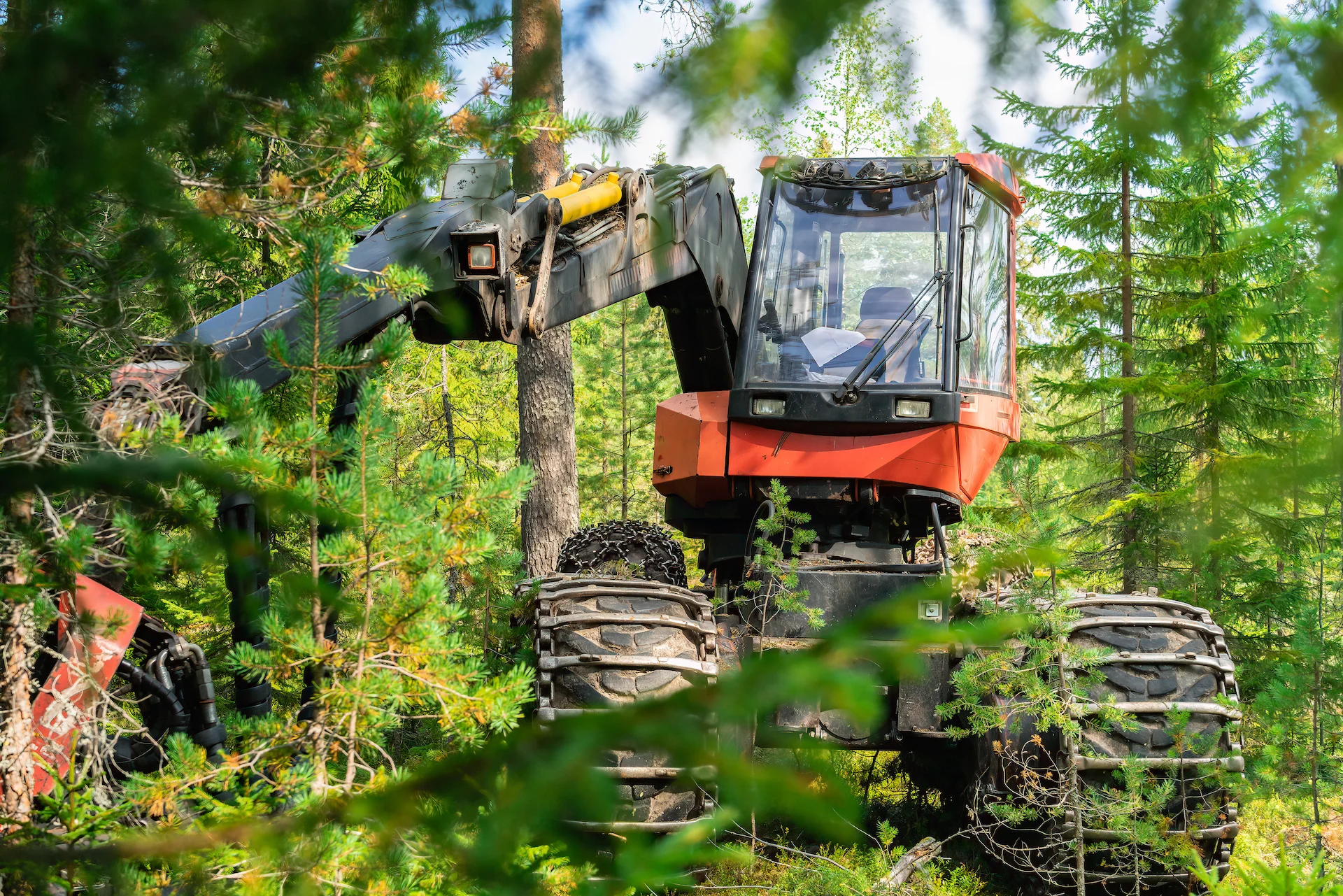
Forestry operations expose operators to falling branches, flying debris, and abrasive conditions, making safety paramount. Five Star Fabricating’s polycarbonate glazing, about 200× stronger than glass (up to ~250× depending on build) and up to ~50% lighter (typically 30–50% depending on design), protects operators while enhancing cab design and durability. This blog explores how these solutions ensure safety in hazardous forestry environments for design engineers, safety officers, and procurement managers at OEMs like John Deere, Caterpillar, and Komatsu.

What is Operator Safety in Forestry Equipment?

Operator safety in forestry equipment involves designing machines to shield workers from hazards like impacts, poor visibility, and environmental stressors. Machines such as feller bunchers and skidders require robust cab glazing to protect operators, maintain clear sightlines, and ensure uptime in rugged conditions. Five Star’s polycarbonate glazing enhances safety by combining superior impact resistance, reduced weight for better stability, and coatings that ensure long-term visibility.

Where Polycarbonate Glazing Matters Most in Forestry

Different forestry machines demand specialized glazing solutions:

  • Feller Bunchers & Harvesters: Laminated polycarbonate windows protect operators from falling trees and high-impact debris.
  • Skidders & Forwarders: Fusionite™ scratch-resistant glazing maintains visibility in muddy, dusty environments with constant wiper use.
  • Log Loaders & Knuckleboom Loaders: Lightweight glazing reduces machine weight, improving stability and fuel efficiency.
  • Mulchers & Chippers: Durable, abrasion-resistant glazing withstands vibration and flying debris.

By tailoring solutions to each machine type, Five Star ensures operators remain safe while OEMs reduce downtime and maintenance costs.

How Polycarbonate Glazing Enhances Operator Safety

Five Star Fabricating’s polycarbonate glazing, about 200× stronger than glass (up to ~250×) and up to ~50% lighter (typically 30–50%), transforms forestry equipment by prioritizing operator safety, visibility, and durability. Key benefits include:

  • Impact Resistance: Withstands branches, rocks, and tool strikes to protect operators.
  • Clear Sightlines: Abrasion-resistant coatings maintain visibility despite wiper cycles and debris.
  • Ergonomic Design: Lightweight glazing reduces cab weight, improving stability and operator comfort.

Key Technologies in Polycarbonate Glazing

  • Material: Optical-grade polycarbonate for impact strength and clarity.
  • Forming: Drape or vacuum/pressure forming for precise, curved cab designs.
  • Coatings: Abrasion-resistant, anti-fog, UV-stable, and chemical-resistant Fusionite™ systems.
  • Finishing: Multi-axis CNC for exact edges and hardware integration.
  • Marking: Screen-printed frits for UV protection; laser etching for compliance.

Practical Applications

  • Feller Buncher Cabs: Laminated glazing absorbs high-impact debris, keeping operators safe.
  • Skidder Windshields: Fusionite™ coatings extend clarity in abrasive, muddy environments, reducing risks and costs.

Five Star Fabricating’s Role in Forestry Safety

Five Star Fabricating delivers end-to-end glazing solutions tailored for forestry equipment, ensuring operator safety for OEMs like John Deere, Caterpillar, and Komatsu through durable, lightweight polycarbonate windows.

Five Star’s Key Offerings

  • Polycarbonate Windows: Custom windshields, side windows, and cab enclosures for extreme conditions.
  • Fusionite™ Coatings: Abrasion-resistant, anti-fog, and UV-stable systems designed for forestry.
  • Rapid Prototyping: Prototypes in ~2 weeks (scope-dependent) to validate safety features.
  • Quality & Scale: ISO 9001:2015 certification, large-format capacity (~8 × 11 ft), and in-house tooling, forming, coating, and testing.

Benefits of Five Star’s Solutions

  • Safety: About 200× stronger than glass (up to ~250×), protecting against debris and impacts.
  • Visibility: Low-haze coatings ensure clear sightlines, reducing operator fatigue.
  • Durability: Chemical- and abrasion-resistant coatings extend window life.
  • Customization: Tints, frits, and laminated builds for added safety and ergonomic design.

Stakeholder Advantages

  • Design Engineers: Flexible glazing geometries for safer, ergonomic cabs.
  • Safety Officers: High-impact windows and clear visibility reduce incident risks.
  • Procurement Managers: Durable components lower maintenance costs and ensure reliable supply.

Broader Impacts of Polycarbonate Glazing

Five Star’s glazing delivers safety, operational, and economic benefits:

  • Safety: Robust windows protect operators, reducing injury risks.
  • Operational: Fewer replacements increase uptime and reliability.
  • Economic: Reduced maintenance and re-glazing costs lower total cost of ownership.

Future Trends in Forestry Equipment Safety

Innovations are advancing operator safety in forestry equipment:

  • Advanced Coatings: Combining abrasion resistance, anti-fog, and UV protection for all-weather visibility.
  • Smart Cabs: Clear glazing supports sensors and cameras for enhanced safety monitoring.
  • Lightweight Designs: Reduced cab weight improves machine stability and operator comfort.
  • Sustainability: Durable, recyclable materials align with ESG goals.

Frequently Asked Questions

How does glazing improve operator safety in forestry equipment?
Polycarbonate glazing, like Five Star’s windows, is about 200× stronger than glass (up to ~250× depending on build) and maintains clear sightlines with abrasion-resistant coatings — protecting operators from debris and reducing risks in hazardous environments.

What safety challenges do forestry operators face?
Operators face falling trees, flying rocks, and poor visibility from dust or wiper wear. Five Star’s anti-fog, scratch-resistant polycarbonate windows ensure durable protection and long-term clarity.

How does lightweight glazing enhance forestry equipment safety?
Lightweight polycarbonate windows, up to ~50% lighter than glass (typically 30–50%), reduce cab weight, improving machine stability and operator comfort. Five Star’s glazing helps OEMs build safer, more efficient equipment.

What standards does Five Star’s glazing meet for forestry safety?
Five Star’s polycarbonate windows comply with ANSI Z26.1, FMVSS 217a, and ISO 9001:2015 processes, ensuring reliable, high-impact glazing for logging environments.

Ready to Enhance Forestry Equipment Safety?

Five Star Fabricating’s polycarbonate windows, about 200× stronger than glass (up to ~250×) and up to ~50% lighter (typically 30–50%), deliver unmatched operator safety and durability for forestry equipment. Engineered for harsh logging environments, our solutions optimize performance for OEMs like John Deere and Caterpillar. Contact Five Star for prototypes, samples, or a production quote to build safer equipment.


Forestry Equipment: Safety, Sustainability, and Innovation

Forestry operations tackle rugged terrain, heavy impacts, and growing demands for sustainability. Five Star Fabricating’s polycarbonate windows, about 200× stronger than glass (up to ~250× depending on build) and up to ~50% lighter (typically 30–50% depending on design), enhance operator safety, reduce environmental impact, and support innovations like electrification and automation. This pillar page explores how these solutions empower procurement managers, design engineers, and supply chain leaders at OEMs like John Deere, Caterpillar, Komatsu, Tigercat, and Ponsse to build safer, greener, and smarter forestry equipment.

What is Forestry Equipment?

Forestry equipment includes specialized machines for logging, harvesting, and timber processing in harsh environments. These machines require durable, lightweight components to ensure operator safety, maintain uptime, and meet sustainability goals. Polycarbonate windows play a critical role by providing impact resistance, clear sightlines, and reduced weight, supporting fuel efficiency, lower emissions, and compatibility with advanced technologies like automation and electrification.

Where Polycarbonate Windows Matter Most in Forestry

Forestry machines like feller bunchers, skidders, loaders, and mulchers all face punishing conditions — from falling branches to abrasive dust and constant vibration.

This is where Five Star’s polycarbonate glazing with Fusionite™ coatings makes the difference. In a feller buncher cab, laminated windows absorb high-impact strikes to keep operators safe. On skidder windshields, abrasion-resistant coatings maintain clarity through mud and wiper cycles. Across the fleet, lighter glazing reduces overall machine weight, cutting fuel use and supporting electrified equipment.

How Polycarbonate Windows Enhance Forestry Equipment

Five Star Fabricating’s polycarbonate windows, about 200× stronger than glass (up to ~250×) and up to ~50% lighter (typically 30–50%), transform forestry equipment by prioritizing safety, sustainability, and innovation. They address critical challenges:

  • Operator Safety: Impact resistance protects operators from branches, rocks, and tools.

  • Clarity and Durability: Abrasion-resistant coatings maintain visibility despite dust and heavy cleaning.

  • Weight Savings: Lighter windows reduce fuel consumption and extend battery range in electrified systems.

Key Technologies in Polycarbonate Windows

  • Material: Optical-grade polycarbonate for superior strength and clarity.

  • Forming: Drape or vacuum/pressure forming for precise, curved designs.

  • Coatings: Abrasion-resistant, anti-fog, UV-stable, and chemical-resistant Fusionite™ systems.

  • Finishing: Multi-axis CNC for exact edges and hardware integration.

  • Marking: Screen-printed frits for UV protection; laser etching for compliance.

Practical Applications

  • Feller Buncher Cabs: Laminated windows absorb high-impact debris, ensuring operator safety.

  • Skidder Windshields: Fusionite™ coatings extend clarity in abrasive, muddy conditions, reducing maintenance costs.

Five Star Fabricating’s Role in Forestry Equipment

Five Star Fabricating delivers end-to-end glazing solutions, from engineering to production, tailored for forestry OEMs. Their polycarbonate windows enhance safety, sustainability, and innovation, meeting the rigorous demands of global brands like John Deere and Komatsu.

Five Star’s Key Offerings

  • Polycarbonate Windows: Custom-formed windshields, side windows, and cab enclosures for harsh forestry conditions.

  • Fusionite™ Coatings: Abrasion-resistant, anti-fog, and UV-stable systems optimized for logging environments.

  • Rapid Prototyping: Prototypes in ~2 weeks (scope-dependent) to validate performance.

  • Quality & Scale: ISO 9001:2015 certification, large-format capacity (~8 × 11 ft), and in-house tooling, forming, coating, and testing.

Benefits of Five Star’s Solutions

  • Safety: About 200× stronger than glass (up to ~250×), protecting operators from debris and impacts.

  • Sustainability: Up to ~50% lighter (typically 30–50%), lowering fuel use and emissions.

  • Durability: Low-haze coatings extend window life in abrasive environments.

  • Customization: Tints, frits, and laminates for specific safety and design needs.

Stakeholder Advantages

  • Procurement Managers: Predictable supply and reduced maintenance costs.

  • Design Engineers: Flexible geometries for innovative cab designs.

  • Supply Chain Leaders: Long-lasting components streamline logistics and support ESG goals.

Broader Impacts of Polycarbonate Windows

Five Star’s glazing solutions deliver operational, economic, and environmental benefits:

  • Operational: Durable windows increase uptime and reliability.

  • Economic: Reduced re-glazing and fuel costs lower total cost of ownership.

  • Environmental: Lightweight designs cut emissions; durable materials reduce waste.

Future Trends in Forestry Equipment

Innovations are shaping safer, greener forestry equipment:

  • Electrification: Lightweight windows reduce energy demands for electric machines.

  • Automation: Clear glazing supports sensors and cameras for autonomous systems.

  • Advanced Coatings: Combining abrasion resistance, anti-fog, and UV protection.

  • Recyclability: Materials designed for end-of-life recovery to meet ESG goals.

Frequently Asked Questions

What is the definition of forestry equipment?
Forestry equipment includes machines like feller bunchers, skidders, and harvesters for logging and timber processing. Five Star’s polycarbonate windows, about 200× stronger than glass (up to ~250×), ensure operator safety and reduce downtime.

What are the must-have forestry tools?
Key machines include bunchers, skidders, loaders, and chippers. Five Star equips them with abrasion-resistant polycarbonate glazing that maintains clarity, resists scratches, and extends service life.

What is the name of the equipment used in logging?
Logging equipment includes harvesters, forwarders, skidders, and mulchers. Five Star provides lightweight polycarbonate windows, up to ~50% lighter than glass (typically 30–50%), to improve efficiency while maintaining operator protection.

What do you need for forestry?
Forestry demands durable, safe equipment. Five Star’s lightweight, impact-resistant windows reduce fuel use, extend component life, and support sustainability goals for OEMs like John Deere, Komatsu, and Tigercat.

Ready to Build Safer, Greener Forestry Equipment?

Five Star Fabricating’s polycarbonate windows, about 200× stronger than glass (up to ~250×) and up to ~50% lighter (typically 30–50%), deliver safety, sustainability, and innovation for forestry equipment. Engineered for harsh logging environments, our solutions optimize performance for OEMs like John Deere, Caterpillar, and Komatsu. Contact Five Star for prototypes, samples, or a production quote to elevate your equipment’s safety and efficiency.


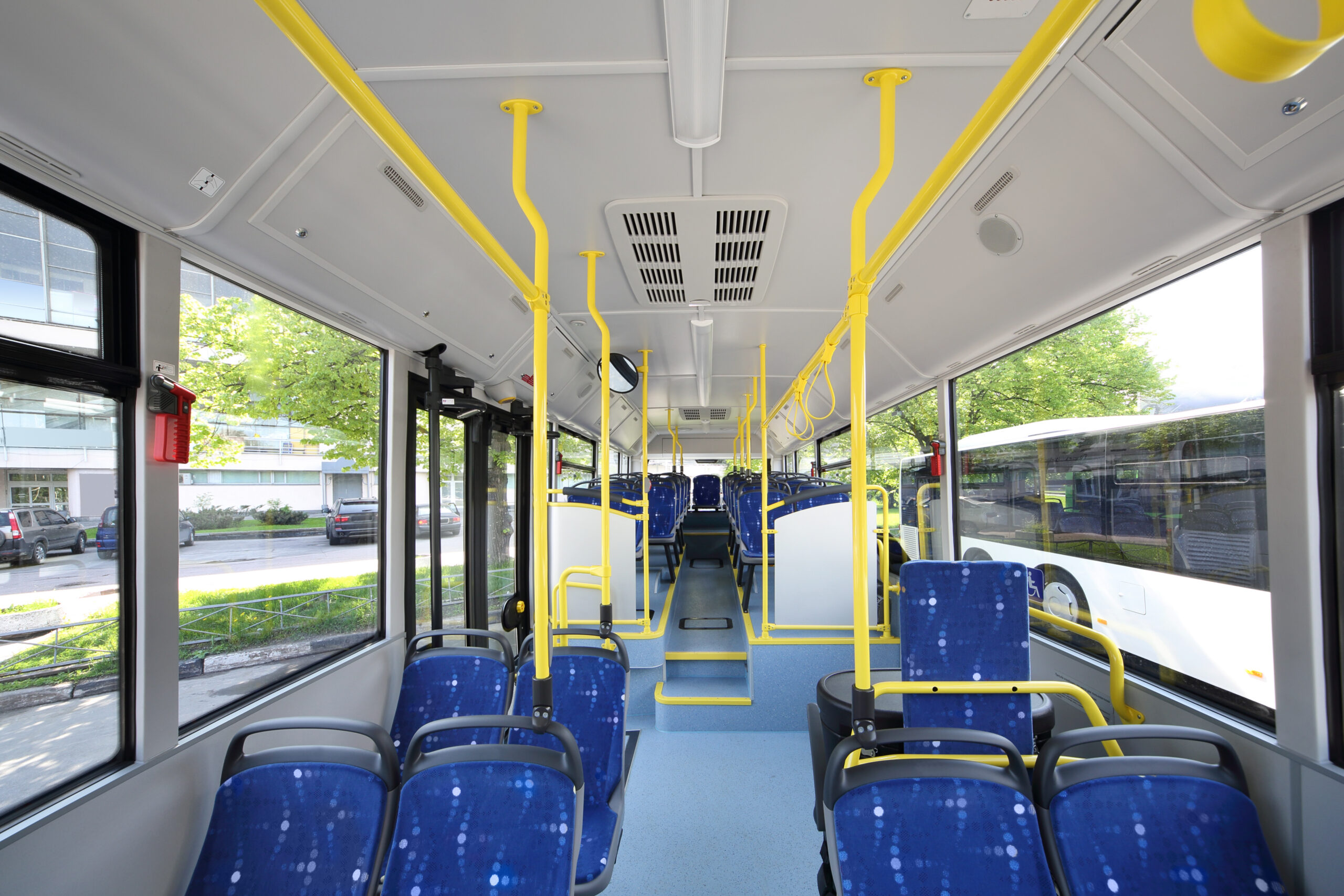
Revolutionizing Mass Transit with Durable, Lightweight, and Long-Lasting Solutions

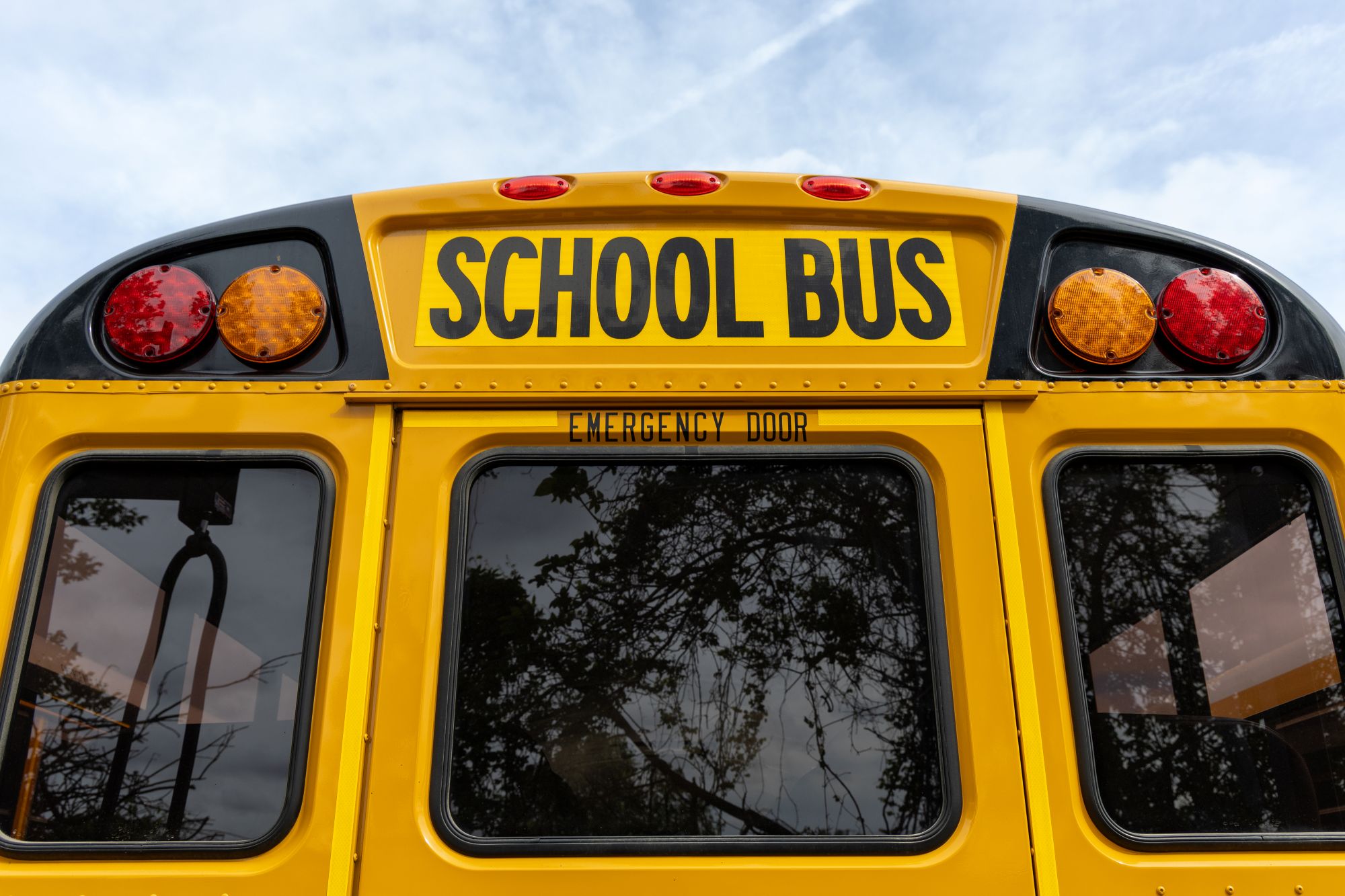
Mass transit systems face a multitude of challenges—heavy passenger loads, constant vibration, weather exposure, vandalism, and wear. These demands require materials that provide both durability and efficiency. Five Star Fabricating’s polycarbonate windows and thermoformed panels rise to the occasion, offering durability with a 40–60% weight reduction compared to traditional glass and metal. These innovations not only extend vehicle lifespan but also improve safety and reduce operational costs, delivering tangible long-term value for fleet operators, design engineers, procurement managers, and sustainability officers.

What is Mass Transit and the Role of Advanced Materials?

Mass transit systems, including buses, trains, subways, and trams, are essential for moving large groups of people efficiently. To ensure reliability, these vehicles require components that can withstand daily wear, reduce weight, and minimize lifecycle costs. Polycarbonate glazing and thermoformed panels are engineered to resist impacts, scratches, UV degradation, and frequent cleaning, all while reducing weight to improve fuel efficiency and overall sustainability. The result? Safer, longer-lasting, and more cost-effective transit systems that keep people moving while reducing the environmental footprint.

Where Lightweight Materials Matter Most

Each transit vehicle comes with unique challenges, and lightweight materials play a crucial role in solving them:

  • Buses: Windows need to resist vandalism and debris while maintaining clarity.

  • Trains and Subways: Scratch-resistant glazing must withstand constant cleaning and wear.

  • Trams and Light Rail: Lightweight panels help reduce energy use and lessen structural strain.

Across all these applications, Five Star’s durable glazing and thermoformed panels provide unmatched reliability, keeping fleets operational longer and reducing replacement costs.

How Advanced Materials Transform Transit

By integrating lightweight glazing and panels, transit operators gain significant benefits:

  • Impact Resistance: Polycarbonate windows are up to 250× stronger than glass, resisting vandalism and debris.

  • Clarity and Longevity: Fusionite™ coatings protect against scratches, UV, and chemicals, maintaining clear sightlines for longer.

  • Fuel and Energy Savings: Lightweight designs reduce fuel consumption and energy demand, particularly for hybrid and electric fleets.

Key Technologies in Polycarbonate and Thermoformed Components

  • Optical-Grade Polycarbonate: Offers both clarity and extreme impact resistance for windows.

  • Thermoformed Panels: Vacuum and pressure forming allow for precise, lightweight designs suitable for interiors and exteriors.

  • Fusionite™ Coatings: Abrasion-resistant, UV-stable, anti-fog, and chemical-resistant protection ensures durability and long-lasting performance.

  • Precision Finishing: Multi-axis CNC machining ensures seamless integration with transit hardware.

  • Custom Marking: Screen-printed patterns and laser etching for compliance and branding.

Practical Applications

  • Bus Windows: Fusionite™ hardcoats extend visibility and reduce the frequency of window replacements.

  • Train Interior Panels: Thermoformed polymer panels reduce weight and simplify installation, all while standing up to daily passenger use.

Five Star Fabricating’s Role in Mass Transit

Five Star Fabricating provides end-to-end glazing and paneling solutions, fully designed and manufactured in-house. From rapid prototyping in as little as two weeks to large-scale production, Five Star ensures consistent quality, durability, and sustainability for transit fleets.

Five Star’s Key Offerings

  • Polycarbonate Windows: Custom-formed windshields, side windows, and partitions tailored for mass transit systems.

  • Thermoformed Panels: Lightweight, durable panels for both interior and exterior use.

  • Fusionite™ Coatings: Tailored protection against abrasion, fog, UV, and chemicals to ensure long-lasting performance.

  • Rapid Prototyping: Quick validation of new designs to ensure they meet project specifications.

  • Quality and Scale: ISO 9001:2015 certified, with large-format capacity up to 8 × 11 ft.

Benefits for Stakeholders

  • Fleet Operators: Reduced fuel consumption and maintenance costs lower overall operating expenses.

  • Interior Design Engineers: Flexible, lightweight panels enable modern, efficient interior designs.

  • Procurement Managers: Predictable supply and long-term cost savings simplify budget management.

  • Sustainability Officers: Lightweight, durable materials contribute to reducing emissions and waste.

Broader Impacts of Lightweight Materials

Operational: More durable components reduce downtime and improve fleet availability.
Economic: Lower total cost of ownership through fewer replacements and reduced energy use.
Environmental: Lighter vehicles contribute to lower emissions, and longer-lasting materials reduce waste.

Future Trends in Transit Materials

The next generation of lightweight materials in transit will focus on further improvements in performance and sustainability:

  • Multi-Functional Coatings: Integrating abrasion resistance, anti-fog, and heat-reflective properties to boost efficiency.

  • Complex Thermoformed Geometries: Enabling sleeker, lighter designs that improve performance.

  • Data-Driven Maintenance: Using data to monitor wear and proactively schedule servicing.

  • Recyclability: Designing coated plastics for better end-of-life recovery, supporting sustainability goals.

Frequently Asked Questions

How much lighter are Five Star’s solutions compared to traditional materials?
Five Star’s solutions are typically 40–60% lighter, improving fuel efficiency and reducing strain on transit systems.

How do coatings improve long-term performance?
Fusionite™ coatings resist abrasion, UV, chemicals, and fog, helping maintain clarity and extend service life in demanding environments.

Can Five Star’s solutions meet compliance standards?
Yes, Five Star’s glazing and panels meet DOT, ANSI, and international standards, with in-house validation for durability and safety.

What is the typical turnaround for prototypes?
Five Star can deliver prototypes in as little as two weeks, depending on project scope.

Ready to Transform Your Transit Fleet?

With polycarbonate windows and thermoformed panels that are significantly lighter and stronger than traditional materials, Five Star Fabricating helps fleets achieve fuel savings, durability, and sustainability in one solution. Contact Five Star today to request prototypes, samples, or a production quote and take the next step toward a smarter, more efficient transit system.


Reducing Operational Costs through Lightweight Design

Heavy-duty machinery, especially in construction, operates in some of the most punishing environments—exposed to abrasive dust, flying debris, chemical splashes, UV exposure, and constant vibration. Choosing the right materials for equipment is crucial to reduce operational costs and increase longevity. Five Star Fabricating’s polycarbonate windows and Fusionite™ coatings exemplify the benefits of lightweight design, offering weight reductions of up to 40–60% compared to traditional glass. This not only improves fuel efficiency but also extends machine life and reduces maintenance costs. This blog delves into how lightweight glazing solutions from Five Star help operations managers, fleet managers, and procurement specialists enhance fleet performance while lowering long-term expenses.

What is Lightweight Design in Heavy Equipment?

Lightweight design involves reducing a machine’s mass without compromising its strength or safety. In heavy equipment, this often focuses on glazing components—such as windshields, side windows, and doors—that must withstand abrasive conditions like dust, flying debris, and frequent cleaning, all while keeping operators safe and preserving visibility. Polycarbonate glazing is up to 250× stronger than glass, making it a durable alternative that not only enhances machine performance but also reduces strain on hardware, ultimately lowering fuel consumption.

Where Lightweight Design Matters Most

Every piece of heavy machinery presents unique challenges where lightweight materials can provide substantial benefits:

  • Excavators & Backhoes: Shatter-resistant glazing is crucial for protecting against flyrock and tool strikes.

  • Wheel Loaders & Dozers: Frequent exposure to dust and debris increases the risk of scratch and abrasion damage; polycarbonate windows offer superior resistance.

  • Skid Steers & Telehandlers: These machines benefit from lighter glazing that reduces hinge strain, allowing for smoother door cycles.

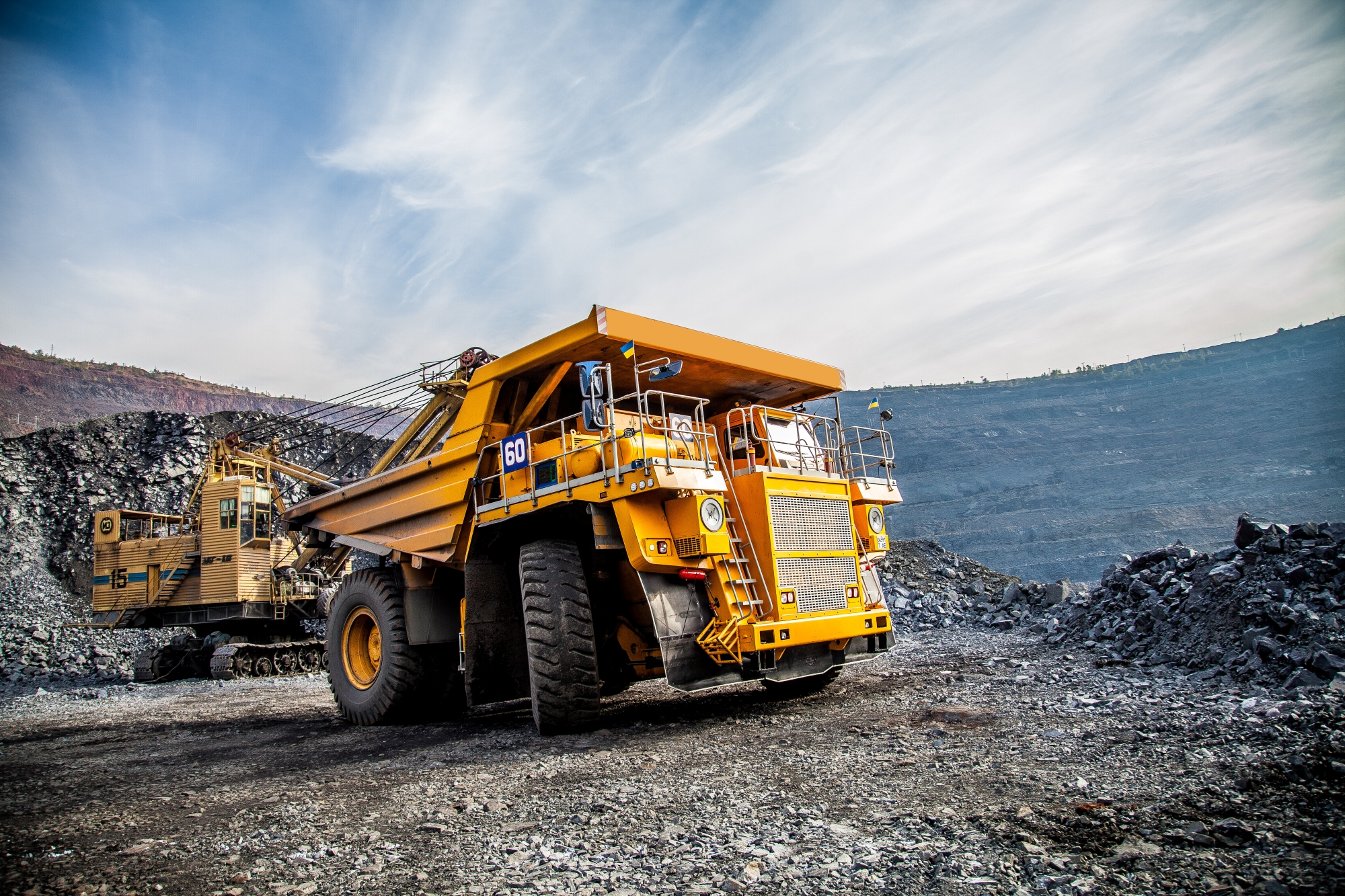
  • Haul Trucks & Graders: Large, optically clear windshields are vital for operator safety during long shifts and under harsh cleaning routines.

Five Star’s polycarbonate windows and Fusionite™ coatings provide durable solutions to these challenges, delivering significant cost savings while maintaining operational efficiency across all types of machinery.

How Lightweight Polycarbonate Components Reduce Operational Costs

Five Star Fabricating’s glazing solutions directly lower key operating expenses through:

  • Fuel Savings: By reducing the weight of the machine, polycarbonate components decrease fuel consumption, saving fleets money over thousands of operating hours.

  • Maintenance Reduction: Impact- and abrasion-resistant coatings extend the life of components by reducing the frequency of part replacements.

  • Operator Productivity: Clear, durable sightlines enable operators to work more efficiently and safely, reducing errors and enhancing productivity.

Key Technologies Behind Five Star’s Solutions

Material Advantage:
Polycarbonate provides up to 250× the impact resistance of glass, making it a superior choice for heavy-duty machinery that must endure harsh conditions.

Precision Forming:
Five Star’s advanced forming techniques, such as drape forming and vacuum/pressure forming, allow for both complex curves and precise fit for machine parts, ensuring optimal performance.

Fusionite™ Coatings:
These abrasion-resistant, anti-fog, UV-stable, and chemical-resistant coatings are specially designed for high-performance environments and protect the integrity of polycarbonate components.

In-House Finishing:
Multi-axis CNC machining ensures precise edges and seamless integration with hardware for a perfect fit in all types of machinery.

Quality Assurance:
Five Star’s solutions undergo rigorous testing to ASTM, ISO, and SAE standards to ensure they meet reliability and safety requirements for demanding applications.

Practical Applications

  • Wheel Loader Windshields (Quarry):
    Fusionite™ coatings resist abrasion from quarry dust, extending the life of the windshield and delaying costly replacements.

  • Excavator Cabs:
    Lightweight polycarbonate windows reduce fuel consumption and extend the lifespan of the cab, minimizing downtime caused by debris strikes.

Five Star Fabricating’s Role in Cost-Efficient Design

Five Star provides end-to-end solutions for heavy equipment glazing, from design and engineering to production and testing. With rapid prototyping in as little as two weeks and large-scale manufacturing capabilities, Five Star ensures high-quality, cost-saving glazing solutions tailored to fleet needs.

Five Star’s Key Offerings

  • Performance Windows:
    Custom polycarbonate windshields, side windows, and doors designed for harsh environments in construction and mining machinery.

  • Fusionite™ Coatings:
    Abrasion-resistant, anti-fog, and UV-stable coatings designed to preserve the clarity and durability of glazing.

  • Rapid Prototyping:
    Quick design and prototype validation to meet specific operational requirements.

  • Quality & Scale:
    ISO 9001:2015 certified, with large-format capacity (up to 8 × 11 ft) for large-scale production.

  • Proven Testing:
    In-house validation for clarity, adhesion, impact, and abrasion resistance, ensuring optimal performance.

Benefits for Stakeholders

  • Operations Managers:
    Lower total cost of ownership through reduced fuel consumption and maintenance needs.

  • Fleet Managers:
    Minimized downtime and longer-lasting glazing solutions, keeping fleets operational for longer periods.

  • Procurement Managers:
    Predictable supply and reduced lifecycle costs make budgeting easier and more reliable.

Broader Impacts of Lightweight Design

Five Star’s glazing solutions provide measurable benefits across all areas:

  • Operational:
    Higher uptime and improved fleet availability.

  • Economic:
    Lower total cost of ownership due to reduced fuel consumption, maintenance, and part replacements.

  • Environmental:
    Lighter machines reduce fuel consumption, contributing to lower emissions. The longer lifespan of polycarbonate windows results in less waste from replacements.

Future Trends in Lightweight Glazing

As the demand for more efficient and sustainable solutions continues to grow, the next generation of lightweight design will include:

  • Advanced Coatings:
    Fusionite™ with integrated abrasion resistance, anti-fog, and heat-control properties like Polycool™.

  • Curved Glazing:
    Formable hardcoats for wider, distortion-free sightlines in machinery and transit vehicles.

  • Data-Driven Maintenance:
    Tracking haze and wiper wear to schedule proactive maintenance and minimize downtime.

  • Recyclability Pathways:
    Designing coated plastics for ESG-aligned end-of-life recovery.

Frequently Asked Questions

How much weight can polycarbonate windows save compared to glass?
Typically 40–60%, reducing fuel use and hardware strain while improving ergonomics.

Will the windows stay clear under dust and heavy wiper use?
Yes, Fusionite™ coatings maintain low haze even under abrasive conditions, with options for anti-fog and UV stability.

Can Five Star glazing meet compliance requirements?
Yes, Five Star’s products meet USDOT, ANSI Z26.1, ECE R43, FMVSS 217a, and other applicable standards.

What’s the turnaround time for prototypes?
Five Star delivers prototypes in as little as two weeks, depending on scope and design.

How do polycarbonate windows ensure operator safety in hazardous environments?
Polycarbonate windows are 200–250 times stronger than glass, providing superior protection against flying debris and impacts, ensuring operator safety in hazardous environments.

Ready to Slash Operational Costs?

Lightweight polycarbonate glazing from Five Star Fabricating helps reduce fuel use, lowers maintenance, and extends the life of your equipment. Designed for demanding construction environments, these solutions deliver superior cost-efficiency and durability. Contact Five Star today to receive a prototype, sample, or production quote and see how lightweight performance can transform your fleet.


Enhancing Heavy Equipment Longevity with Advanced Materials

Construction sites punish machines with abrasive dust, flying debris, chemical splashes, UV, and nonstop vibration. Selecting advanced materials—especially polycarbonate glazing engineered for high impact resistance and UV stability—extends equipment life, protects operators, and reduces total cost of ownership. For design engineers, R&D directors, and materials specialists, this guide explains how modern construction materials strategies increase durability and why Five Star Fabricating’s solutions are the practical upgrade for harsh-duty fleets.

What is Enhancing Heavy Equipment Longevity with Advanced Materials?

Definition. Enhancing longevity through advanced materials is the practice of specifying components that resist impact, abrasion, chemicals, and weathering while minimizing mass and preserving optical clarity. In heavy equipment, cab glazing (windshields, doors, side windows) is a primary locus for durability gains.

Purpose & role. The goal is to maintain clear sightlines, structural integrity, and operator protection over long duty cycles—despite wiper abrasion, dust, thermal swings, and daily cleaning. Material choice (e.g., polycarbonate) plus protective coatings directly impacts replacement intervals and uptime.

Significance. For heavy equipment fleets, every avoided re‑glaze and every hour of uptime matters. Material improvements in glazing, guards, and covers deliver measurable lifecycle savings while supporting safety and sustainability targets.

Key Components or Types of Heavy Equipment

  • Excavators & Backhoes — trenching/demolition demand shatter‑resistant glazing to withstand flyrock and tool strikes.
  • Wheel Loaders & Dozers — constant dust drives wiper abrasion; scratch‑resistant windows preserve visibility.
  • Skid Steers & Telehandlers — frequent door cycles benefit from lighter glazing that reduces hinge wear.
  • Haul Trucks & Graders — large, optically clear windshields are critical for long shifts and harsh cleaning routines.

Use cases. Across machines, optically clear, impact‑tough glazing directly reduces operator fatigue and incident risk while avoiding downtime from cracked or hazed windows.

Why Advanced Materials for Heavy Equipment Longevity Matter

Construction environments rapidly degrade traditional materials—especially glass glazing. Advanced alternatives improve reliability and visibility while supporting sustainable equipment goals through longer service life and lower mass.

Benefits overview.

  • Efficiency: Lightweight components reduce operating mass and hardware strain.
  • Cost savings: Fewer replacements from breaks and scratch‑induced haze.
  • Performance: Stable clarity and impact resistance under severe duty.
  • Sustainability: Longer life means less material waste and fewer shipments.

Specific Benefits of Advanced Materials

  • Impact resistance: Polycarbonate can deliver up to 250× the impact resistance of glass (design‑dependent), protecting cabs from aggregate and tool strikes and demonstrating superior polycarbonate durability in the field.
  • Abrasion control: Advanced hardcoats maintain low ΔHaze under dust and wiper abrasion, preserving visibility.
  • UV stability: Weatherable systems resist yellowing and micro‑pitting during prolonged outdoor exposure.
  • Weight reduction: Replacing glass with polycarbonate can remove ~40–60% mass (geometry‑dependent), easing hinges and improving ergonomics.
  • Chemical tolerance: Coatings resist cleaners, fuels, and hydraulic fluids better than uncoated plastics.

Real‑world connection. Fewer replacements and clearer sightlines translate to higher productivity and lower total lifecycle cost.

How Advanced Materials Enhance Longevity and Uptime

Mechanisms. Longevity gains come from pairing optical‑grade polycarbonate with engineered coatings and precise forming/finishing:

  • Material: High‑impact polycarbonate for strength and optical quality.
  • Forming: Drape forming for complex curves; vacuum/pressure forming for precision fit.
  • Finishing: Multi‑axis CNC for exact edges, countersinks, and hardware integration.
  • Coatings: Abrasion‑resistant and formable hardcoats, anti‑fog, UV‑stable, and chemical‑resistant systems tuned to duty cycle.
  • Printing/Marking: Screen‑printed frits for UV edge protection; laser etching for IDs/compliance.

Key Ways Advanced Materials Deliver Value

  • Clarity that lasts: Hardcoats engineered for Taber abrasion and wiper abrasion keep haze low in quarry, mining, and concrete environments.
  • Design freedom: Formable coatings enable tight radii and wide sightlines without sacrificing surface durability.
  • All‑weather visibility: Anti‑fog systems preserve sightlines during humidity swings and cold starts.
  • Outdoor durability: UV‑stable stacks resist yellowing and micro‑pitting across seasons.
  • Service efficiency: Lightweight glazing simplifies installation and handling in the field.

Examples.

  • Wheel loader windshields (quarry): Abrasion‑resistant stacks lengthen re‑glaze intervals.
  • Forestry/demolition cabs: Laminated polycarbonate stacks help absorb projectile energy while preserving optical clarity.

Five Star Fabricating’s Role in Advanced Materials for Heavy Equipment

End‑to‑end capability. Five Star Fabricating designs and manufactures polycarbonate performance windows and related components specifically for heavy equipment, delivering repeatable quality from prototype through volume:

  • Performance Windows (Polycarbonate): Custom flat/formed windshields, doors, and side windows for harsh duty.
  • Fusionite™ Coatings Portfolio: Abrasion‑resistant, formable, anti‑fog, and UV‑stable systems matched to your cleaning regimen and environment.
  • Rapid Prototyping: Prototypes in as little as ~2 weeks (scope‑dependent) to verify fit, clarity, and ergonomics.

  • Vertical Integration: In‑house tooling → forming → coatings → CNC → screen printing → laser etching → assembly → optical/abrasion/impact/chemical/environmental testing.
  • Scale & Quality: ISO 9001:2015; large‑format capacity up to ~8 × 11 ft.

Five Star’s Contributions to Heavy Equipment Longevity

  • Impact & weight: Up to 250× glass impact resistance and ~40–60% weight reduction (design‑dependent) boost durability and ergonomics.
  • Lifecycle clarity: Coatings engineered for low haze under dust and wiper cycles delay replacements.
  • Operator‑first usability: Anti‑fog/anti‑glare options reduce fatigue and improve precision.
  • Customization: Frit patterns, tints, edge treatments, countersunk hardware, and laminated builds for elevated impact or ballistic needs.

Stakeholder outcomes. Design engineers gain geometry freedom; R&D and materials teams get tunable coating stacks; fleet and procurement teams see fewer changeouts and more predictable lifecycle cost.

Broader Impacts of Advanced Materials in Construction

Operational & environmental. Longer‑lasting glazing reduces waste and raises uptime. Lower mass contributes to incremental fuel and emissions gains over long service hours.

Environmental & Operational Impact

  • Less waste: Extended intervals between re‑glazing cut material scrap and shipping.
  • Consistent uptime: Impact‑tough, abrasion‑resistant windows keep machines working between scheduled services.

Economic & Productivity Impact

  • Lower total cost of ownership: Fewer replacements and faster service.
  • Higher productivity: Clear, low‑glare, low‑fog sightlines reduce errors and rework.

Future Trends in Advanced Materials for Heavy Equipment

Where it’s headed. The next generation of glazing focuses on multi‑function performance and data‑assisted maintenance.

Key Trends to Watch

  • Multi‑functional coating stacks: Combining abrasion resistance, anti‑fog, and IR/UV heat control to cut HVAC loads.
  • Larger, curved glazing: Formable hardcoats enable wide‑angle visibility without durability compromise.

  • Data‑driven maintenance: Tracking haze growth and wiper cycles to schedule proactive service.
  • End‑of‑life pathways: Better recyclability and recovery for coated plastics to support ESG goals.

Frequently Asked Questions

What is meant by heavy equipment, and how does Five Star support it?
Heavy equipment includes excavators, wheel loaders, dozers, telehandlers, haul trucks, and more—machines built for earthmoving, lifting, and material handling. Five Star supports these platforms with polycarbonate windows and coating stacks engineered for impact, abrasion, and UV exposure.

What is the most used heavy equipment, and what does Five Star offer for it?
Wheel loaders and excavators are among the most common. We supply formed windshields and side windows with abrasion‑resistant, anti‑fog, and UV‑stable coatings to maintain clarity under dust and wiper cycles.

What are five examples of equipment Five Star commonly outfits?
Excavators, wheel loaders, dozers, telehandlers, and haul trucks—each with custom glazing packages tuned to duty cycle and cleaning regimen.

What is an example of a heavy machine and its Five Star solution?
A quarry wheel loader with an abrasion‑resistant, UV‑stable windshield and side windows: ~40–60% lighter than glass (geometry‑dependent), high impact resistance, and low haze over time with proper maintenance.

Build Longer‑Lasting, Safer, and Lighter Machines

Elevate fleet reliability with advanced materials—especially polycarbonate windows protected by Fusionite™ coatings. Five Star Fabricating delivers end‑to‑end glazing programs—from CAD to prototype to production—focused on durability, usability, and performance.

Let’s engineer clearer, tougher cab glazing—contact Five Star for prototypes, samples, or a production quote.


Durable and Lightweight Components for Long-Lasting Construction Machinery

On construction sites, where harsh conditions, frequent impacts, and high maintenance costs threaten uptime and profitability, machinery must deliver unmatched reliability and efficiency. Durable, lightweight components, such as polycarbonate glazing, are critical for enhancing equipment longevity, operator safety, and sustainability. This blog explores how advanced materials and coatings, like those engineered by Five Star Fabricating, reduce weight, resist abrasion and impacts, and lower lifecycle costs for construction fleets.

What is Durable and Lightweight Component Design?

Durable and lightweight component design in construction machinery focuses on creating parts that withstand harsh environments while reducing weight. Glazing, such as cab windows, doors, and guards, is mission-critical, requiring impact resistance, abrasion control, chemical tolerance, UV stability, and clear sightlines despite dust, wiper cycles, thermal swings, and daily cleaning. These components extend machine life, reduce maintenance, and improve operator safety, supporting engineering, procurement, and fleet groups in achieving durable construction goals and lower lifecycle costs.

Common Types of Construction Machinery

  • Excavators & Backhoes: Shatter-resistant cab glazing protects against flyrock and tool strikes.
  • Wheel Loaders & Dozers: Scratch-resistant windshields withstand dust and wiper abrasion.
  • Skid Steers & Telehandlers: Lighter doors and windows reduce hinge wear and simplify service.
  • Haul Trucks & Graders: Large, optically clear windshields ensure visibility during long shifts and harsh cleaning.

Glazing quality directly impacts operator safety, fatigue, and machine uptime across these machines.

Why Durable, Lightweight Components Matter

Harsh construction sites quickly degrade traditional glass, leading to frequent replacements and downtime. Polycarbonate components, being lighter and tougher, help fleets meet performance, cost, and sustainability targets. Key benefits include:

  • Efficiency: Lower mass improves fuel use and reduces strain on hinges and door hardware.
  • Cost Savings: Fewer replacements due to breaks and scratch-induced haze.
  • Performance: Consistent clarity enables safer, more precise operation.
  • Sustainability: Longer service life reduces material and transport impacts.

How Polycarbonate Windows Enhance Construction Machinery

Polycarbonate glazing cuts weight by approximately 40–60% compared to glass (design-dependent) while offering superior impact resistance. Paired with advanced coatings, it maintains clarity and extends service life in abrasive, chemical, and UV-intense conditions. Five Star Fabricating’s solutions address key challenges:

  • Glass Breakage: Polycarbonate resists aggregate and tool strikes, reducing crack-outs and downtime.
  • Scratch-Haze: Hardcoated surfaces slow visibility loss from wipers and dust.
  • Condensation: Anti-fog coatings ensure safer shifts in variable weather.

Key Technologies in Polycarbonate Glazing

  • Material: Optical-grade polycarbonate for impact strength and clarity.
  • Forming: Drape forming for complex curves; vacuum/pressure forming for precise fit.
  • Finishing: Multi-axis CNC for beveled edges and countersunk hardware.
  • Coatings: Abrasion-resistant, formable, anti-fog, UV-stable, and chemical-resistant systems.
  • Printing/Marking: Screen-printed frits for UV edge protection; laser etching for IDs.

Practical Applications

  • Wheel Loader Windshields: Abrasion-resistant coatings extend re-glaze intervals in quarry dust.
  • Forestry Cabs: Laminated polycarbonate stacks absorb projectile energy while maintaining clear sightlines.

Five Star Fabricating’s Role in Durable Construction Machinery

Five Star Fabricating leads the industry with end-to-end glazing programs, offering engineering, in-house tooling, forming, coatings, CNC finishing, screen printing, assembly, testing, and fulfillment. Their solutions are tailored to the demanding needs of construction machinery.

Five Star’s Key Offerings

  • Performance Windows: Custom flat/formed polycarbonate windshields, side windows, doors, and light covers.
  • Coatings Portfolio: Fusionite™ coatings provide abrasion resistance, formability, anti-fog, and UV stability, tailored to duty cycles and cleaning needs.
  • Rapid Prototyping: Prototypes delivered in as little as ~2 weeks (scope-dependent) to de-risk fit and function.
  • Quality & Scale: ISO 9001:2015 certification, multi-axis CNC, and large-format ovens ensure repeatable production.

Benefits of Five Star’s Polycarbonate Solutions

  • Weight Reduction: Cuts mass by 40–60% versus glass, easing hinge/door loads and improving fuel efficiency.
  • Lifecycle Clarity: Abrasion and wiper durability metrics delay replacement cycles.
  • Operator-First Usability: Anti-fog and anti-glare coatings reduce fatigue and enhance safety.
  • Customization: Frit patterns, tints, edge treatments, countersunk hardware, and laminated builds for elevated impact needs.

Stakeholder Advantages

  • Design Engineers: Complex geometries without glass constraints.
  • Procurement: Predictable supply and longer re-glazing intervals.
  • Fleet Managers: Less downtime, safer visibility, and lower lifecycle costs.

Broader Impacts of Polycarbonate Glazing

Five Star’s polycarbonate glazing delivers operational, environmental, and economic benefits:

  • Operational: Higher uptime from fewer replacements.
  • Environmental: Lighter cabs and longer-lasting windows reduce fuel use and waste, supporting sustainable equipment goals.
  • Economic: Reduced parts and labor for re-glazing; improved productivity from better visibility.

Future Trends in Construction Machinery Glazing

The future of glazing in construction machinery is evolving with innovations that enhance performance and sustainability:

  • Larger Curved Glazing: Formable hardcoats enable improved sightlines.
  • Integrated Functional Coatings: Combining anti-scratch, anti-fog, and IR/UV heat management in one stack.
  • Data-Driven Maintenance: Monitoring wiper cycles and haze for proactive service.

Key Trends to Watch

  • IR-Reflective/Heat-Reducing Coatings: Improve cab comfort and reduce HVAC load.
  • Hybrid Laminates: Combine polycarbonate with interlayers for enhanced impact or ballistic protection.
  • Recyclability Pathways: Develop coated plastics aligned with ESG targets.

Frequently Asked Questions

How are Five Star’s polycarbonate windows purpose-built for construction machinery?
They combine optical-grade polycarbonate with Fusionite™ coatings (abrasion-resistant, formable, anti-fog, UV-stable) and are manufactured end-to-end in-house, ensuring high impact resistance, low haze, and repeatable fit for cabs, doors, windshields, and guards.

How much weight can we save versus glass, and why does it matter?
Typical designs see ~40–60% weight reduction compared to glass. Lower mass eases hinge/door loads, improves ergonomics, and yields fuel savings, supporting sustainability.

Will the windows stay clear under dust and heavy wiper use?
Yes—abrasion-resistant hardcoats maintain low ΔHaze after severe Taber and wiper abrasion. Anti-fog systems address humid conditions, and UV-stable options resist yellowing.

What sizes, shapes, and thicknesses can Five Star build?
Five Star processes large formats (up to ~8 × 11 ft) with complex curves via drape or vacuum/pressure forming. Thickness ranges ~0.010–0.500 in, with options for beveled edges, countersunk holes, and frits.

Can Five Star meet compliance and documentation needs?
Yes, they support standards (e.g., ANSI Z26.1, FMVSS 217a, ECE R43) with in-house validation, ISO 9001:2015, and PPAP/PFMEA for OEM and aftermarket programs.

How do we start a project with Five Star?
Share CAD, duty-cycle details (dust, wiper cycles, chemicals), standards, and timeline. Five Star can execute an NDA, provide samples, and recommend a coating stack.

Ready to Build Longer-Lasting, Safer, and Lighter Machines?

Durable, lightweight components—especially polycarbonate windows with advanced coatings—deliver clarity, uptime, and lifecycle savings. Five Star Fabricating engineers glazing systems purpose-built for abrasive, high-impact construction environments. Contact Five Star for prototypes, samples, or a production quote to engineer clearer, tougher cab glazing.