
- Home
- News & Blogs
- Mass Transit
Revolutionizing Mass Transit with Durable, Lightweight, Long-Lasting Solutions
Heavy passenger loads, constant vibration, weather, vandalism, and daily cleaning wear transit vehicles down. How polycarbonate windows and thermoformed panels cut weight while extending service life and improving safety.
In This Article
Mass transit systems face a multitude of challenges: heavy passenger loads, constant vibration, weather exposure, vandalism, and wear. These demands require materials that deliver both durability and efficiency.
Five Star Fabricating's polycarbonate windows and thermoformed panels deliver that durability with a 40 to 60% weight reduction compared with traditional glass and metal. They extend vehicle service life, improve safety, and reduce operating costs, delivering long-term value for fleet operators, design engineers, procurement managers, and sustainability officers.
What Is Mass Transit, and What Role Do Advanced Materials Play?
Mass transit systems, including buses, trains, subways, and trams, move large groups of people efficiently. To stay reliable, these vehicles need components that withstand daily wear, reduce weight, and minimize lifecycle cost.
Polycarbonate glazing and thermoformed panels are engineered to resist impact, scratches, UV degradation, and frequent cleaning while reducing weight to improve efficiency. The result is safer, longer-lasting, more cost-effective transit that keeps people moving with a smaller environmental footprint.
Where Lightweight Materials Matter Most
Windows must resist vandalism and road debris while maintaining clarity.
Scratch-resistant glazing must withstand constant cleaning and wear.
Lightweight panels reduce energy use and structural strain.
Across these applications, Five Star's durable glazing and thermoformed panels keep fleets operational longer and reduce replacement costs.
How Advanced Materials Transform Transit
- Impact resistance — polycarbonate windows up to 250 times stronger than glass resist vandalism and debris
- Clarity and longevity — Fusionite™ coatings protect against scratches, UV, and chemicals, keeping sightlines clear longer
- Energy savings — lighter designs reduce energy demand, particularly for hybrid and electric fleets
Key Technologies in Polycarbonate and Thermoformed Components
- Optical-grade polycarbonate: Clarity and extreme impact resistance for windows.
- Thermoformed panels: Vacuum and pressure forming produce precise, lightweight designs for interiors and exteriors.
- Fusionite™ coatings: Abrasion-resistant, UV-stable, anti-fog, and chemical-resistant protection for long-lasting performance.
- Precision finishing: Multi-axis CNC machining for seamless integration with transit hardware.
- Custom marking: Screen-printed patterns and laser etching for compliance and branding.
Practical Applications
Fusionite™ hardcoats extend visibility and reduce the frequency of window replacement.
Thermoformed panels reduce weight and simplify installation while standing up to daily passenger use.
Five Star Fabricating's Role in Mass Transit
Five Star Fabricating provides end-to-end glazing and panel solutions, designed and manufactured in-house. From prototypes in as little as two weeks to large-scale production, Five Star delivers consistent quality, durability, and sustainability for transit fleets.
- Polycarbonate windows: Custom-formed windshields, side windows, and partitions for mass transit.
- Thermoformed panels: Lightweight, durable panels for interior and exterior use.
- Fusionite™ coatings: Tailored protection against abrasion, fog, UV, and chemicals.
- Rapid prototyping: Fast validation of new designs against project specifications.
- Quality and scale: ISO 9001:2015 certified, with large-format capacity up to 8 × 11 ft.
Benefits for Stakeholders
Reduced energy use and maintenance lower overall operating expenses.
Flexible, lightweight panels enable modern, efficient interior designs.
Predictable supply and long-term savings simplify budget management.
Lightweight, durable materials help reduce emissions and waste.
Planning a fleet program or new platform? Let's spec the glazing and panels.
Broader Impacts of Lightweight Materials
- Operational: More durable components reduce downtime and improve fleet availability.
- Economic: Lower total cost of ownership through fewer replacements and reduced energy use.
- Environmental: Lighter vehicles contribute to lower emissions, and longer-lasting materials reduce waste.
Future Trends in Transit Materials
- Multi-functional coatings integrating abrasion resistance, anti-fog, and heat-reflective properties.
- Complex thermoformed geometries enabling sleeker, lighter designs.
- Data-driven maintenance that monitors wear to schedule servicing proactively.
- Recyclability through coated plastics designed for better end-of-life recovery.
Frequently Asked Questions
How much lighter are Five Star's solutions than traditional materials?
Typically 40 to 60% lighter, improving efficiency and reducing strain on transit vehicles.
How do coatings improve long-term performance?
Fusionite™ coatings resist abrasion, UV, chemicals, and fog, maintaining clarity and extending service life in demanding environments.
Can Five Star's solutions meet transit compliance standards?
Yes. Five Star's transit glazing is built to standards including ANSI Z26.1, FMVSS 217, and ECE R43, with Fusionite™ CGIII meeting FRA Parts 223 and 238 for rail, and in-house validation for durability and safety.
What is the typical turnaround for prototypes?
Five Star can deliver prototypes in as little as two weeks, depending on project scope.
Related Reading
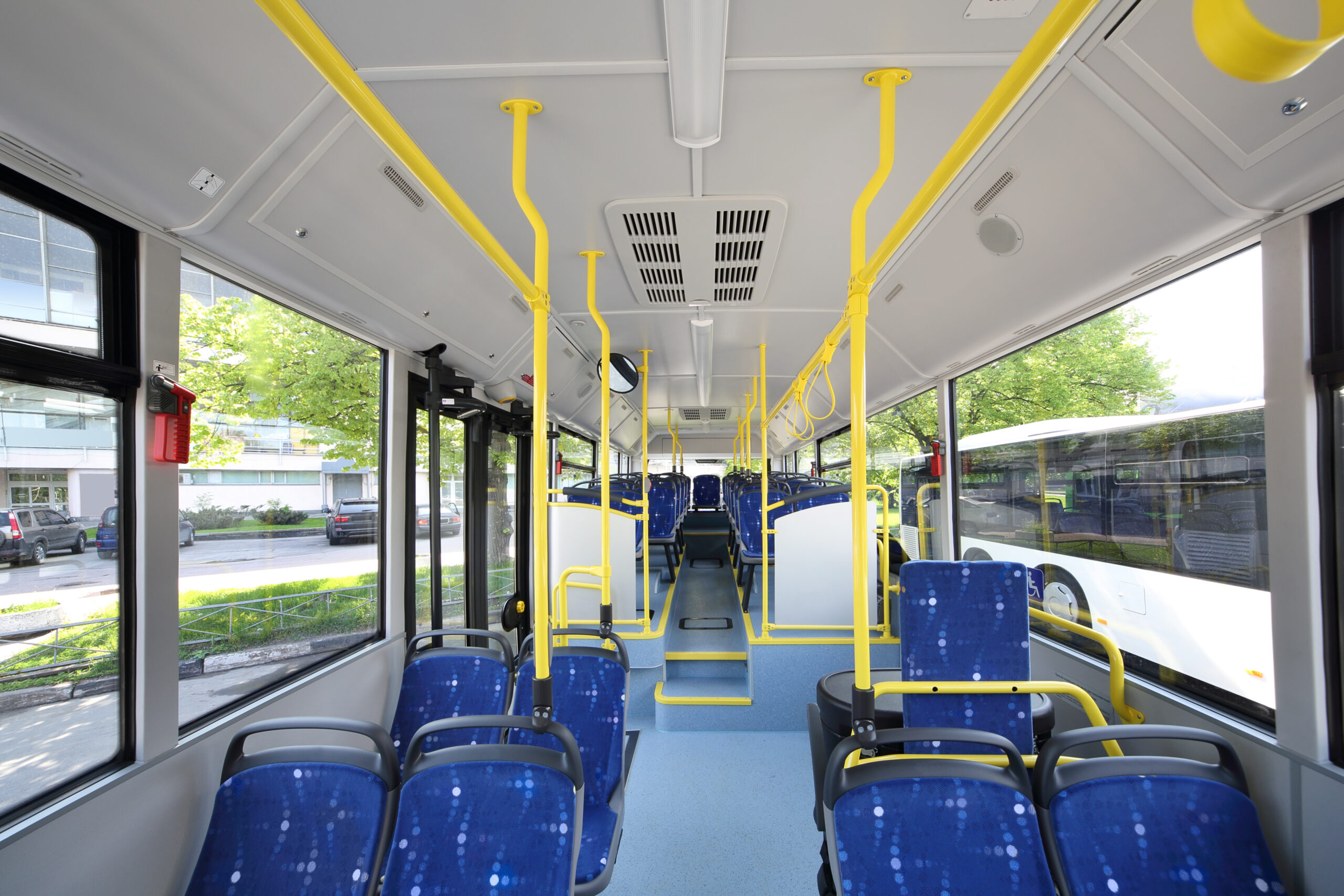 ArticleVandalism-Resistant Transit WindowsWhat FMVSS 217, FRA Part 223, and ASTM D1044 testing actually shows for coated polycarbonate.
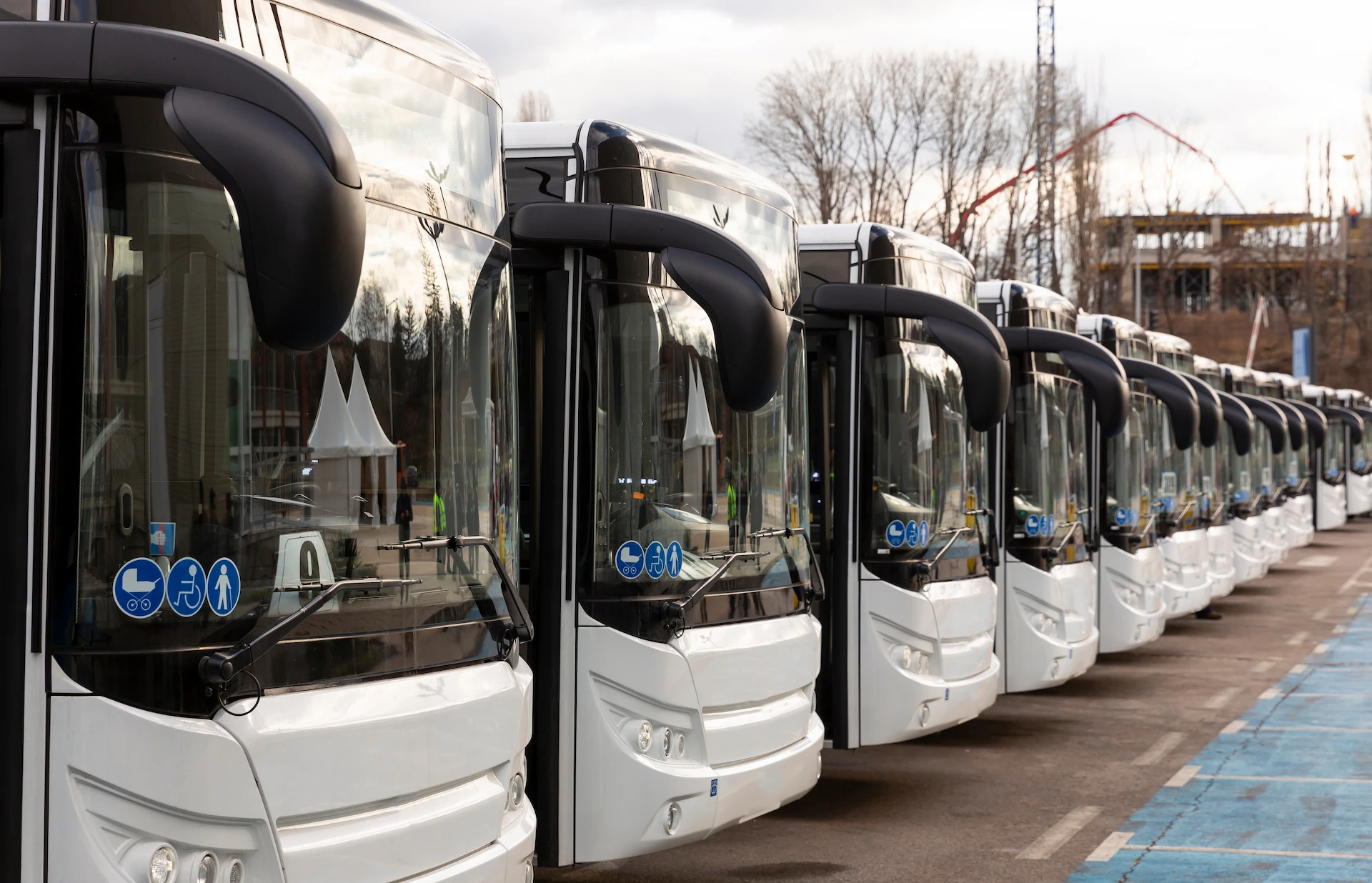 ArticleLightweight Windows for Electric BusesHow glazing weight translates into range, battery sizing, and fleet-wide savings.
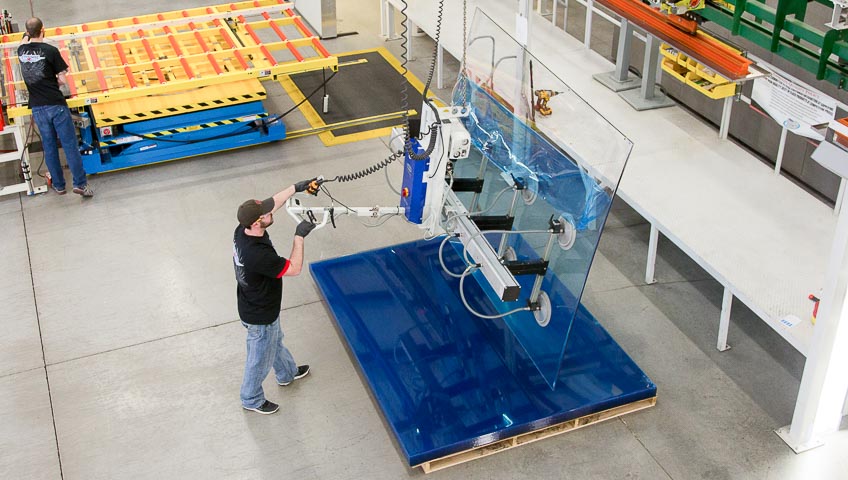 ApplicationMass Transit GlazingBus and rail windshields, side windows, partitions, and interior panels.
Ready to Transform Your Transit Fleet?
Polycarbonate windows and thermoformed panels that are significantly lighter and stronger than traditional materials help fleets achieve savings, durability, and sustainability. Request prototypes, samples, or a production quote.