
The pressure on heavy industries to decarbonize is no longer just a long-term goal; it’s an urgent operational necessity. For Original Equipment Manufacturers (OEMs), electrification has emerged as the leading strategy to achieve significant emissions reductions in heavy machinery, with far-reaching environmental benefits.
Heavy Equipment’s Current Carbon Footprint
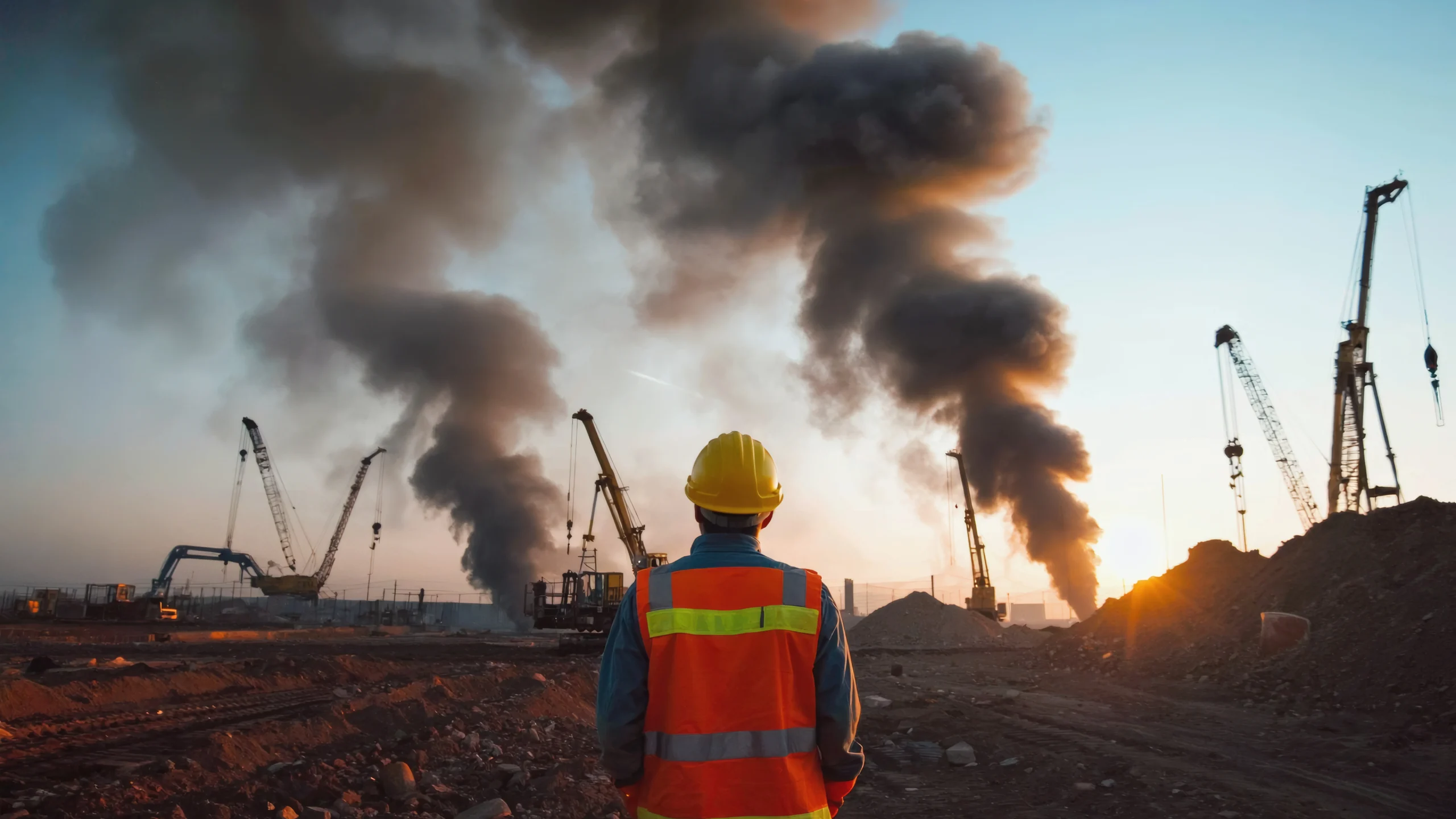
Heavy machinery’s long-standing dependence on diesel engines remains a primary source of environmental emissions. This presents OEMs and their customers with a dual challenge:
- Greenhouse Gases: The significant output of carbon dioxide (CO2), a major driver of climate change.
- Local Pollutants: Emissions such as nitrogen oxides (NOx), sulfur oxides (SOx), and particulate matter (PM2.5) that directly harm human health and local air quality.
The impact of these pollutants is staggering. For example, the buildings and construction sector is responsible for nearly 37% of global energy-related CO2 emissions, with a substantial portion originating from on-site heavy equipment.
The Benefits of Electrification
Electrification presents an immediate, measurable opportunity to reduce emissions across the board, not only carbon dioxide but a range of harmful pollutants.
Drastic Reduction in Carbon Emissions
One of the most significant benefits of electrification is the elimination of tailpipe emissions. For heavy equipment operating in urban or enclosed spaces, this transformation is nothing short of revolutionary. It directly supports both corporate and national emissions reduction targets.
While the “well-to-wheel” carbon footprint still depends on the energy grid’s source, the immediate on-site elimination of pollutants is a game-changer.
Improving Air Quality and Operator Health
Electrification also removes harmful emissions like nitrogen oxides, sulfur oxides, and particulate matter, resulting in cleaner air and healthier working environments. This shift plays a crucial role in sustainable construction practices, contributing to the well-being of the workforce and surrounding communities.
Noise Pollution Abatement
An often overlooked but powerful benefit of electrified heavy equipment is the significant reduction in noise. Quieter machinery translates to several operational and safety advantages:
- Urban Compliance: Quieter equipment allows contractors to extend work hours in noise-sensitive urban areas, thus improving project timelines.
- Operator Safety: Reduced noise pollution lowers the risk of long-term hearing damage and enhances communication at the worksite, both vital for accident prevention.
- Environmental Disruption: Reduced noise levels lessen the impact on local wildlife and residential areas, improving public perception.
Beyond Emissions: The Ripple Effect of Green Construction Equipment
The environmental benefits of electrification extend far beyond emissions reductions, offering critical regulatory and financial advantages to OEMs.
Meeting Regulatory and ESG Mandates
Governments and municipalities worldwide are implementing stricter emissions regulations, creating “low-emission zones” where diesel equipment will be banned. As such, electrification has become a key compliance strategy.
For OEMs, offering green equipment is not just an opportunity; it’s essential for their customers to meet evolving Environmental, Social, and Governance (ESG) mandates.
Creating a Competitive Advantage
OEMs leading the electrification revolution position themselves as forward-thinking innovators, gaining a competitive edge in the marketplace. By equipping customers such as construction firms, logistics companies, and municipalities with sustainable machinery, they can qualify for bids that require low emission equipment.
How Five Star Fabricating Accelerates Emissions Reduction
Transitioning to electrified machinery isn’t as simple as swapping out a diesel engine for an electric one. It requires re-engineering every component for efficiency and durability. Five Star Fabricating supports OEMs with advanced materials and engineering.
Lightweighting for Maximum Battery Efficiency
- Challenge: Battery weight, cost, and operational range are the primary engineering hurdles for heavy electric equipment.
- Solution: Advanced composite panels and high strength thermoformed plastics from Five Star Fabricating.
- Feature-to-Benefit: By reducing the overall vehicle mass, our lightweight materials extend battery life, increase operational range, and protect the emissions gains by keeping machines productive longer.
Durable Components for Demanding Electric Applications
- Challenge: Electric systems need robust protection for sensitive components, such as battery enclosures, control modules, and electronics, all while operating in high-impact environments.
- Solution: High impact polycarbonate glazing and custom molded, impact resistant enclosures.
- Feature-to-Benefit: These durable materials provide reliable protection for high-voltage battery systems and operators, ensuring the long-term safety and performance required to support the widespread adoption of green machinery.
Frequently Asked Questions: Electrification and Emissions
Most emissions stem from burning diesel fuel, releasing carbon dioxide and local pollutants such as nitrogen oxides, sulfur oxides, and particulate matter.
Partnering for a Low Emission Future
The transition to electric heavy equipment supports regulatory compliance, public health, and long term competitiveness.
Five Star Fabricating is helping OEMs overcome the engineering challenges of electrification. With our advanced, lightweight materials and expert solutions, we’re leading the charge in developing the next generation of sustainable, high-performance construction machinery.