
- Home
- News & Blogs
- Automotive
EV Lightweighting: Building Lighter, Stronger, Higher-Performing Electric Vehicles
Lightweighting has become a core EV engineering strategy. How polycarbonate windows, Fusionite™ coatings, composites, and thermoformed plastics reduce mass while improving durability, safety, and range.
In This Article
Electric vehicles continue to evolve rapidly, driven by rising range expectations, efficiency demands, and aggressive sustainability goals. As manufacturers work to extend battery performance without compromising safety or durability, lightweighting has become a core engineering strategy. From body panels to glazing systems, advanced materials help EV platforms maintain structural integrity while reducing mass and improving efficiency.
This article explores what lightweighting means for the modern EV, and how Five Star Fabricating's polycarbonate windows, Fusionite™ coatings, and high-strength composites help OEMs build lighter, stronger, higher-performing vehicles.
What Is Lightweighting in Electric Vehicles?
Lightweighting is the strategic reduction of vehicle mass using advanced materials, precision design, and optimized manufacturing. Because EVs carry heavy battery systems, even modest weight reductions influence efficiency, range, suspension load, and overall performance. Lightweighting focuses on:
- Reducing mass while maintaining or improving durability
- Using materials with high strength-to-weight performance
- Enhancing aerodynamics and efficiency
- Maximizing battery performance and extending range
In EVs, every pound saved contributes to longer range, lower energy consumption, better handling, and reduced wear on mechanical systems.
Key Lightweighting Strategies
Carbon fiber and advanced composites replace steel for significant mass reduction.
Polycarbonate windows are typically 40 to 60% lighter than glass.
Thermoformed plastics reduce weight in housings, covers, and aerodynamic features.
Integrated coatings maintain clarity, reduce maintenance, and extend service life.
Thinner, stronger, or multi-functional parts cut redundant material.
Why Lightweighting Matters for EVs
Because battery packs account for a major share of EV weight, non-battery components must be as light as possible. Lightweighting directly affects:
- Range: Less mass means lower energy consumption.
- Performance: Better acceleration, handling, and braking response.
- Durability: Reduced strain on hinges, frames, and mounting points.
- Sustainability: Lower material use and better efficiency reduce environmental impact.
- Cost: Lower operating costs from reduced wear and energy consumption.
- Up to 70% weight reduction using advanced composites versus steel
- 40 to 60% lighter window systems using polycarbonate instead of glass
- Improved clarity and safety through scratch-resistant coatings
- Longer component lifespan, reducing service and replacement frequency
- Better aerodynamics through formable, lightweight plastics
How Lightweighting Enhances EV Efficiency and Range
Reducing mass in strategic areas directly lowers the load on the battery and drivetrain. When windows, body panels, and structural components are redesigned with high-performance materials, EVs see:
- Lower rolling resistance
- Reduced aerodynamic drag with optimized glazing curvature
- Higher energy efficiency, especially in stop-and-go city driving
- Improved safety with impact-resistant materials
The result is measurable improvement in range, charge efficiency, durability, and overall longevity.
Five Star Fabricating's Role in EV Lightweighting
Five Star Fabricating delivers end-to-end lightweighting solutions for high-performance, durability-critical vehicles, including emerging EV platforms. Building since 1978 with vertically integrated manufacturing, our team engineers components that reduce mass while increasing impact strength, optical clarity, and environmental durability.
Performance Polycarbonate Windows
Polycarbonate windows up to 40 to 60% lighter than glass, delivering:
- Impact resistance orders of magnitude beyond glass at comparable thickness
- Optical clarity with minimal distortion
- Large-format forming up to 8 × 11 ft
- CNC-machined edges, countersunk hardware, and tight-tolerance assembly
Fusionite™ Coatings
A core differentiator engineered for durability and lifecycle performance:
- Taber abrasion haze increase below 2% per ASTM D1044 on top grades
- UV-stable formulations for long-term outdoor exposure
- Anti-fog, anti-glare, and chemical-resistant stacks
- Formable options for complex EV glazing geometries
Advanced Composites
Carbon fiber solutions with up to 70% weight savings, enabling lightweight body panels, underbody aerodynamic panels, charging-system housings, and structural reinforcements.
Thermoformed Plastics
Thermoformed components for interior and exterior covers, aerodynamic elements, housings, and protective shields, all engineered for lightweight performance.
Engineering an EV platform? Let's find the weight together.
Broader Impacts of Lightweight EV Components
Lightweighting extends beyond engineering. It reshapes environmental, operational, and economic outcomes.
Lower energy consumption per mile, reduced greenhouse gas emissions, longer-lasting components that minimize waste, and improved recyclability through single-material design.
Reduced maintenance from durable hardcoated windows, improved visibility and safety, lower total cost of ownership, and extended service intervals with fewer part replacements.
Future Trends in EV Lightweighting
Lightweighting will only grow more essential as EV range targets climb and design complexity increases.
- Larger curved polycarbonate glazing for aerodynamic optimization.
- Hybrid laminated polycarbonate structures for impact and ballistic resistance.
- Integrated coatings combining abrasion, UV, fog, and IR heat control.
- Multi-functional composite structures replacing multi-part assemblies.
- Next-generation recyclability programs aligned with OEM ESG goals.
Five Star Fabricating is positioned with advanced forming, coating, and composite technologies to support emerging EV innovation.
Frequently Asked Questions
Why is lightweighting important for EVs?
Reducing mass improves range, efficiency, and overall vehicle performance.
How much weight can polycarbonate windows save?
Up to 40 to 60% compared with glass, depending on design.
Are polycarbonate windows durable enough for EV use?
Yes. Fusionite™-coated polycarbonate delivers superior impact strength and long-term clarity.
What materials are most effective for EV lightweighting?
Polycarbonate glazing, carbon fiber composites, and thermoformed plastics provide the most significant mass reduction without sacrificing durability.
Related Reading
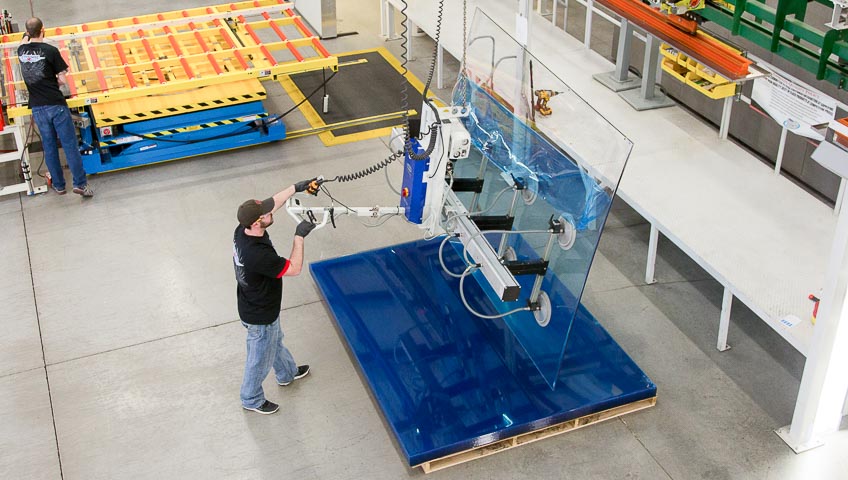 ApplicationAutomotive Polycarbonate WindowsLightweight, impact-resistant glazing for automotive and specialty vehicle programs.
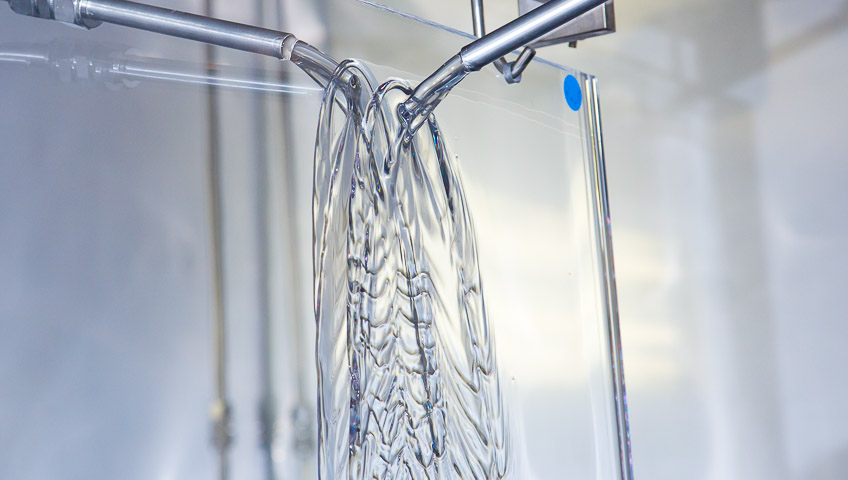 CapabilityAdvanced CompositesCarbon fiber components with up to 70% weight savings versus steel.
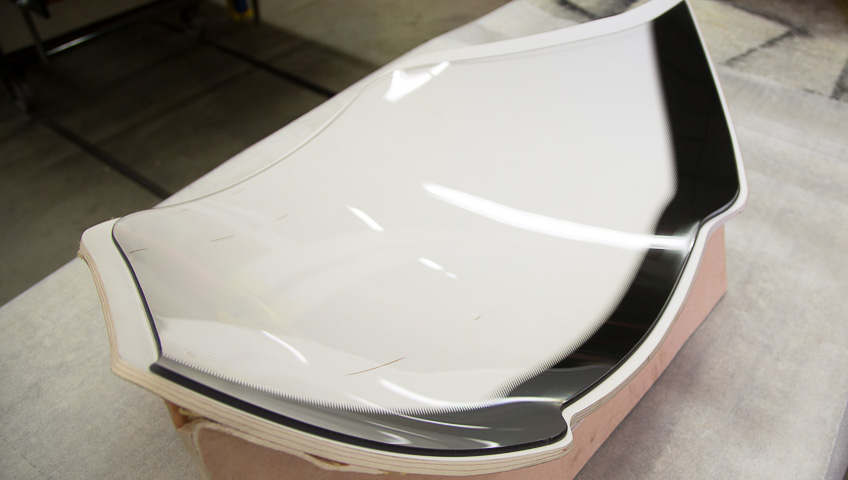 CapabilityThermoformed PlasticsLightweight covers, housings, shields, and aerodynamic elements.
Build Lighter, Stronger EVs
From coated polycarbonate windows to advanced composites and thermoformed plastics, Five Star provides production-ready solutions that reduce weight, extend range, and increase durability. Ready to engineer next-generation lightweight EV components?