
- Home
- News & Blogs
- Mass Transit
How Lightweight Windows Help Electric Buses Go Further on a Single Charge
Glazing is one of the few systems on a transit bus where a material swap removes weight without touching anything else in the vehicle architecture. Here is how the numbers work, from a single bus to a 200-vehicle fleet.
In This Article
Range anxiety is the most cited concern among transit agencies evaluating the shift from diesel to electric buses. A bus that cannot complete its assigned route on a single charge, or that falls short on cold winter days, creates operational problems that are expensive to solve after the fleet is purchased. Every program team working on an electric bus platform is looking for weight to remove.
Glazing is not the first place most engineers look. The battery pack, the powertrain, and the structural body are where the big weight numbers live. But glazing is one of the few systems on a transit bus where a material substitution replaces a heavy component with a lighter one without changing anything else about the vehicle architecture. The weight comes off the vehicle, the range goes up, and no other system is affected.
Here is how the numbers work, and why polycarbonate glazing belongs in the weight reduction conversation for every electric bus program.
The Weight Carried by a Transit Bus Glazing System
A full-size 40-foot transit bus carries a substantial glazing load. Front destination windows, the driver windshield, multiple side windows along both passenger rows, rear windows, and any roof or upper-deck glass in articulated configurations add up to a glazing inventory that varies by model but typically falls between 200 and 400 pounds for a standard single-deck bus.
The exact number depends on the number of window positions, the size of each pane, and the glazing thickness specified. Glass transit windows are typically 5 to 8 mm thick to meet safety and acoustic requirements. Polycarbonate provides equivalent or superior safety performance at similar or lesser thickness, at roughly half the weight per unit area.
- Glass glazing weight — approximately 300 lb for a full-size bus
- Polycarbonate equivalent — approximately 150 lb
- Reduction per vehicle — approximately 150 lb
- Share of a 40,000 lb loaded bus — approximately 0.375% of vehicle weight
That percentage sounds small. Multiplied across a full duty cycle, it is not.
What Weight Reduction Does to Range
The relationship between vehicle weight and energy consumption is well established in automotive and transit engineering. The U.S. Department of Energy1 documents the general relationship: reducing vehicle weight by 10% improves fuel efficiency by 6 to 8% in conventional powertrains. The relationship in battery-electric vehicles is somewhat different but follows the same directional logic. Less mass requires less energy per mile to move.
For a battery-electric bus, weight reduction improves range in two ways. First, the energy required to accelerate the vehicle from a stop is proportional to its mass. Transit buses make frequent stops, so acceleration energy accumulates across a route, and a lighter vehicle uses less energy per stop-and-go cycle. Second, rolling resistance, which accounts for a meaningful share of energy consumption at city transit speeds, scales with vehicle weight. A lighter bus rolls with less resistance on flat terrain and demands less energy from the battery pack on grades.
The magnitude of the range improvement depends on the specific bus platform, battery pack size, route profile, and operating conditions. Applying the DOE weight-to-efficiency ratio to a 150-pound reduction on a 40,000-pound bus suggests an efficiency improvement of roughly 0.25 to 0.3%. For a bus with a rated range of 150 miles, that is just under half a mile of additional range per charge from glazing alone.
Glazing weight reduction does not solve a fundamental range problem. It closes part of the gap, permanently, on every trip the bus makes.
Range shortfalls in cold weather or on hilly routes are often measured in single-digit miles per charge. The glazing contribution is one of several small, reliable gains that add up, and it lasts the full service life of the vehicle.
The Fleet Multiplication Effect
Individual bus range improvement is useful. The same numbers applied across a transit fleet make a different kind of argument.
A transit agency operating 200 electric buses, each carrying 150 pounds of glazing weight that could be removed with polycarbonate, is carrying 30,000 pounds of excess glazing weight across the fleet. The energy cost of moving that weight adds up across millions of revenue miles every year.
The American Public Transportation Association2 reports that a large transit bus operates approximately 40,000 to 60,000 miles per year in typical urban service. An agency running 200 buses at 50,000 miles per year accumulates 10 million revenue miles annually. At a 0.25 to 0.3% efficiency improvement, lighter glazing saves the energy equivalent of 25,000 to 30,000 bus-miles every year, and the savings repeat for the 12- to 15-year service life of the vehicles.
This is the calculation fleet managers and procurement teams should include in total cost of ownership for electric fleet transitions. The per-vehicle cost premium for polycarbonate over glass is real. The energy savings over the vehicle lifetime, when the fleet runs on grid electricity at a known cost per kilowatt-hour, can be quantified and compared directly against that upfront difference.
Battery Sizing Implications
The weight argument extends beyond range at a given battery size. For electric bus programs where the battery pack has not yet been finalized, lighter glazing creates an opportunity to reduce pack size while maintaining the range target.
Smaller battery packs cost less, weigh less themselves, and reduce the structural reinforcement required to support them. The weight reduction cascades: lighter glazing reduces required battery capacity, which reduces battery weight, which reduces required structural support, which reduces vehicle weight further. The cascade is small for any single component change, but it is real, and glazing weight is one of the inputs.
For OEM engineering teams working to hit a range target at the lowest possible vehicle weight and cost, polycarbonate glazing is a straightforward contribution that requires no changes to the powertrain, battery chemistry, or vehicle architecture.
What Polycarbonate Transit Windows Require from a Platform Design
Polycarbonate is not a drop-in replacement for glass on a bus platform designed around glass-specific mounting systems. Three platform design considerations apply when specifying polycarbonate for an electric bus program.
Polycarbonate's coefficient of thermal expansion is higher than glass, so windows need to float within their mounting to accommodate movement across the operating temperature range. This is standard practice in polycarbonate window design and does not add complexity to the vehicle structure, but the mounting design must be specified correctly from the start.
Polycarbonate transmits slightly more sound than glass at equivalent thickness. Where acoustic performance is a priority, laminated polycarbonate configurations or increased thickness can close the gap. Five Star's engineering team can review acoustic requirements as part of the glazing specification process.
Transit buses go through automated bus washes and manual cleaning regularly. Agents and brushes appropriate for glass can be aggressive on under-specified coatings. Fusionite™ CGII and CGIII both carry wiper and chemical resistance data, and confirming the cleaning protocol at the specification stage avoids coating degradation in service.
Certification Requirements for Electric Bus Glazing
Polycarbonate windows on federally funded electric buses must meet the same certification standards as any transit glazing.
- ANSI Z26.1 — safety glazing classification, incorporated by FMVSS 2053. Five Star's polycarbonate windows meet this standard.
- ECE R43 — required for European markets and programs operated under European transit authority standards
- ISO 9001 — certified since 2014, currently to ISO 9001:2015, providing the quality documentation transit OEM procurement programs require
Where Polycarbonate Glazing Fits in an Electric Bus Program
The weight reduction from polycarbonate glazing is not large enough to rescue a program with a fundamentally undersized battery pack. It is a real, predictable, permanent improvement that belongs in the weight budget of any electric bus program and in the total cost of ownership analysis for any fleet evaluating the switch.
Five Star Fabricating supplies polycarbonate transit windows for bus OEMs from its facilities in Twin Lakes, Wisconsin. The product line covers front destination windows, side windows, rear windows, and composite interior panels, in both standard and custom configurations for new platform programs. Engineering teams can request prototype windows within two weeks for fit and integration validation.
For transit agencies evaluating fleet conversion, Five Star's engineering team can provide weight comparison data, coating specification recommendations, and certification documentation to support the procurement decision.
References
Related Reading
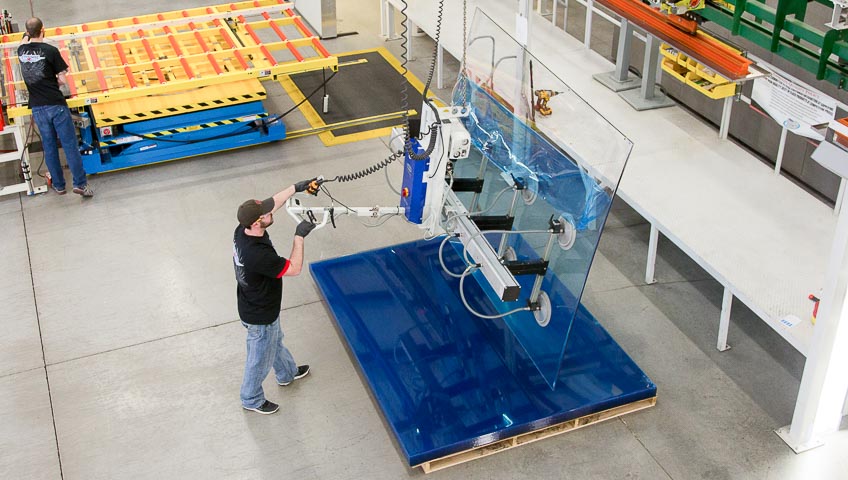 ApplicationMass Transit GlazingBus and rail windshields, side windows, and operator glazing for new platforms and fleet programs.
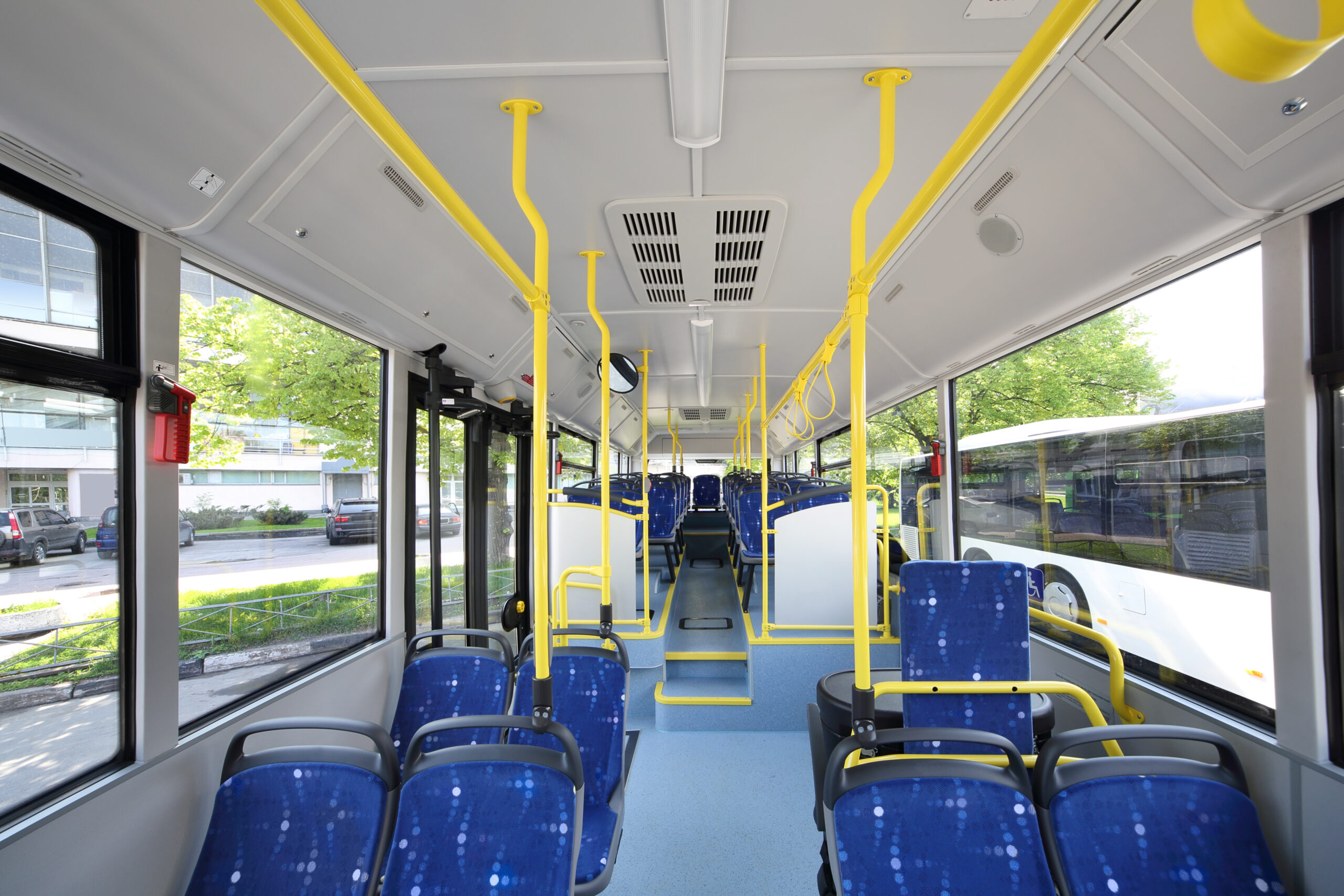 ArticleVandalism-Resistant Transit WindowsWhat FMVSS 217, FRA Part 223, and ASTM D1044 testing actually shows for coated polycarbonate.
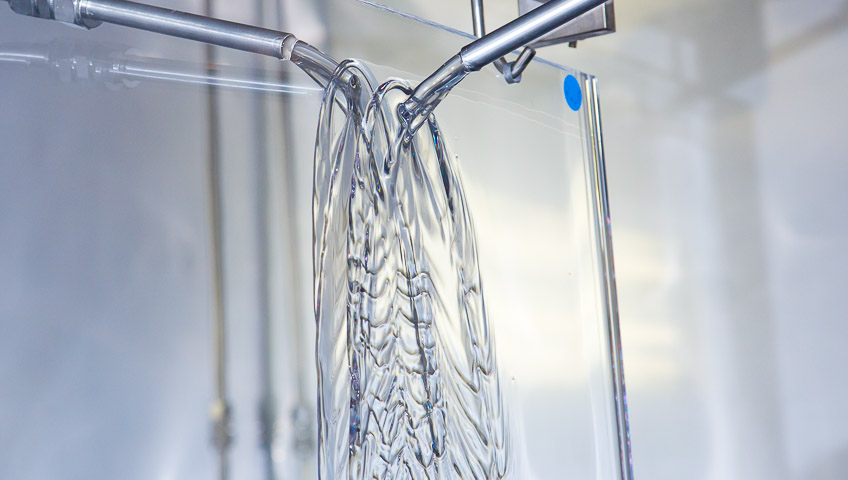 CapabilityThe Fusionite Coating LineHow CGII and CGIII are specified against bus wash cycles, wipers, and cleaning chemicals.
Put Glazing in Your Weight Budget
Talk with our engineering team about glazing specifications for your electric bus program, or request weight comparison data and certification documentation for a fleet procurement decision.