
- Home
- News & Blogs
- Forestry
Advanced Coatings for Forestry Equipment: Protection Against Corrosion, Wear, and Weather
Moisture, abrasives, and extreme weather wear down even the toughest forestry machines. How protective coatings and durable components extend equipment life and cut long-term maintenance costs.
In This Article
Forestry equipment is built for harsh environments, but even the most robust machinery is vulnerable to wear caused by moisture, abrasives, and extreme weather. Protective coatings add an essential layer of defense, improving the durability and performance of these machines while significantly reducing long-term maintenance costs.
Operators who use tailored solutions such as coated polycarbonate and advanced composites can extend equipment lifespan, protect operators, and optimize operating efficiency.
- Protection — advanced coatings shield equipment from corrosion, abrasion, and harsh weather
- Maintenance — proper care of protective finishes delivers long-lasting benefits and cost savings
- Selection — choosing the right coating for the environment improves safety and equipment performance
Why Forestry Equipment Needs Advanced Coatings
Forestry machines are subjected to moisture, UV, dirt, and other environmental stressors that accelerate wear. Protective finishes keep machinery operational and efficient. Cab glazing such as performance windows benefits from hard coatings that resist scratches and weather damage, making windows more durable and reliable in the field.
Corrosion-resistant finishes also play a vital role in protecting structural components exposed to moisture. Without that layer, rust and degradation can compromise equipment function and lead to costly repairs or replacements.
The Versatility of Protective Solutions
Protective solutions are engineered to address the specific challenges forestry machinery faces. Alongside coatings, thermoformed plastic components provide impact resistance and flexibility for parts prone to heavy wear, reducing damage to critical components and extending machine life.
UV protection and weather resistance are essential for outdoor equipment. Weather-resistant coatings shield surfaces from prolonged exposure to sunlight, rain, and fluctuating temperatures, keeping machines reliable across seasons. Industries that depend on rugged equipment have used these finishes to extend equipment life and reduce downtime across many applications.
How Coatings Deliver Lasting Benefits
Coatings protect critical components from corrosion and physical damage, reducing the need for frequent replacement.
By preventing failures due to wear or damage, protective finishes contribute to safer operations.
Durable coatings minimize maintenance downtime, so forestry work gets done more efficiently.
Forestry operators who build protective solutions like coated polycarbonate and advanced composites into their equipment strategy often see higher productivity and significant savings over time. Coated polycarbonate adds impact resistance and lasting optical clarity, further improving machine durability in demanding environments.
The Cost-Saving Potential of Coatings
Protective coatings are a cost-effective decision as well as a safeguard. By reducing the frequency of repairs and replacements, they deliver a strong return on investment. Operators using advanced coatings can:
- Lower operating costs through reduced downtime.
- Extend the lifespan of expensive machinery components.
- Avoid safety-related costs by maintaining equipment reliability.
Need coated glazing that holds up in the woods? Let's match the coating to the job.
Maintaining the Effectiveness of Coatings
Routine care keeps protective finishes in optimal condition. Regular cleaning with appropriate, non-abrasive methods prevents dirt and debris from wearing the coating, and scheduled inspections identify worn or damaged areas early.
Painted structural finishes can be repaired and touched up as needed. Hard coats on polycarbonate windows are factory-applied and cannot be touched up in the field, so a window whose coating is worn through should be replaced to restore visibility and protection.
Future Innovations in Protective Coatings
As technology advances, so do protective coatings. Industry developments such as self-healing coatings, nanotechnology, and eco-friendly formulations promise even greater durability, sustainability, and ease of application for equipment that must stay reliable for decades.
Frequently Asked Questions
What are self-healing coatings, and how can they benefit forestry equipment?
Self-healing coatings are an emerging class of materials designed to repair minor scratches automatically, preserving the protective layer without immediate maintenance. Where available, they can reduce downtime and extend equipment life in environments with frequent minor abrasion.
Can advanced coatings be environmentally friendly?
Yes. Recent innovations include eco-friendly options that provide strong protection with reduced environmental impact, a good fit for operators prioritizing sustainability.
How do I determine which coating is right for my machinery?
It depends on the operating environment, exposure to corrosive elements, and specific performance needs. Consulting with coating specialists helps match the right solution to the machine.
How does nanotechnology improve coating performance?
Nanotechnology enables ultra-thin, highly durable protective layers with strong resistance to wear, corrosion, and environmental damage, well suited to equipment operating in extreme conditions.
Related Reading
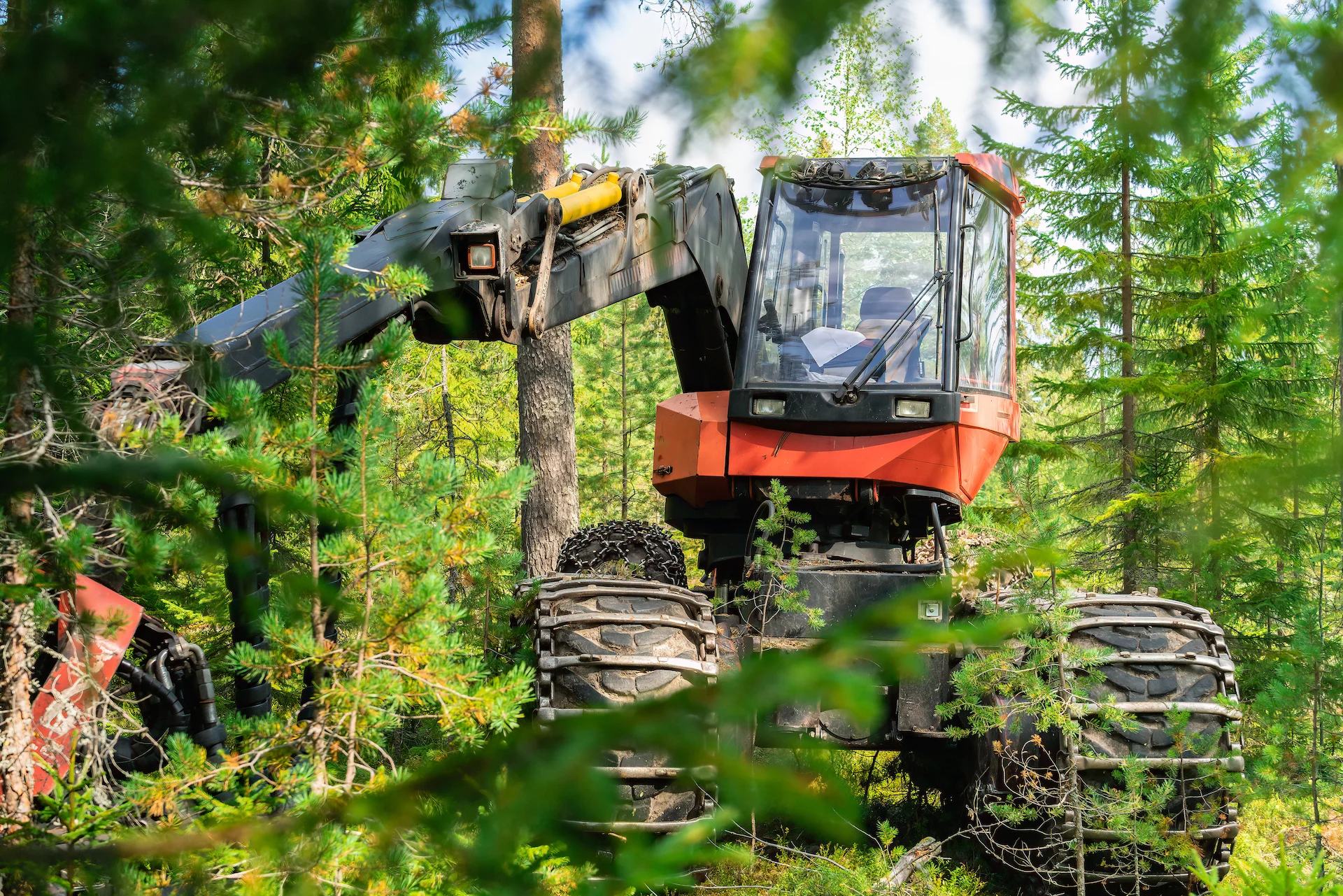 ArticleForestry Cab Glass Failures Are PreventableThe case for polycarbonate in forestry equipment cabs.
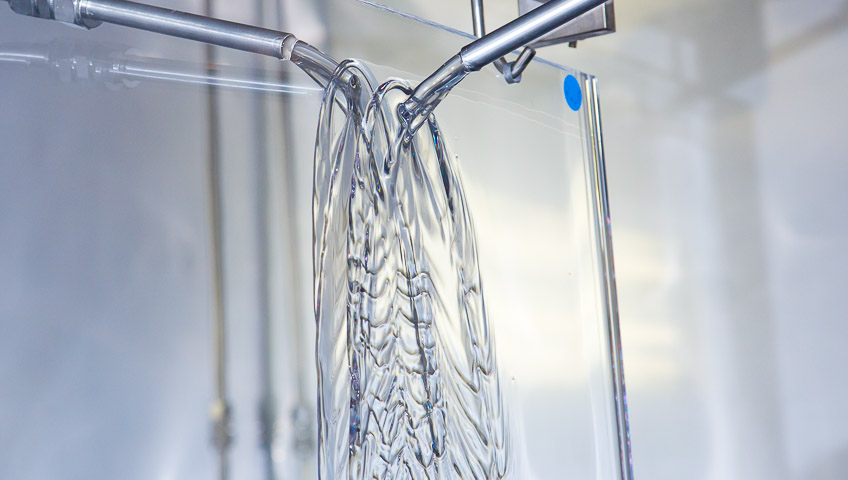 CapabilityThe Fusionite Coating LineHard coatings that keep polycarbonate clear against abrasion, chemicals, fog, and UV.
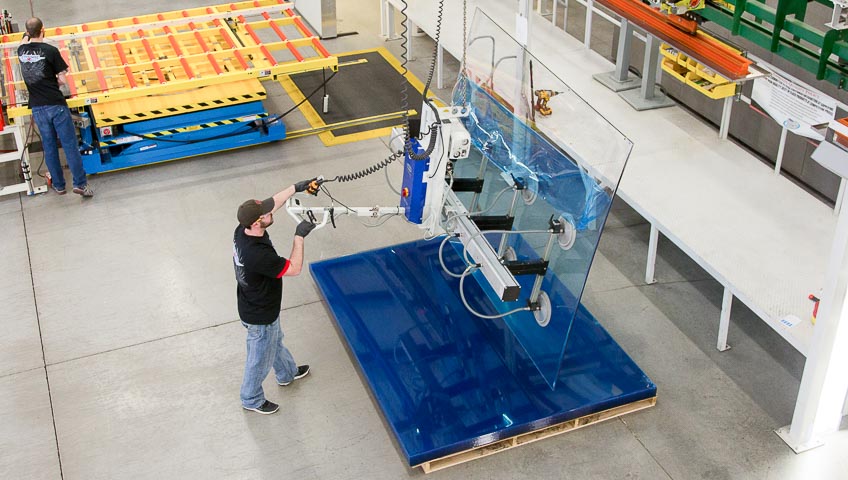 ApplicationForestry Equipment WindowsImpact-resistant cab glazing for harvesters, forwarders, and skidders.
Safeguard Your Forestry Equipment
Advanced coatings protect machinery from the rigors of daily use while improving safety and efficiency. Explore our coating solutions and see the difference they make in the field.