
Electric vehicles (EVs) demand materials that deliver strength without excess weight, precision without complexity, and durability without compromises. As OEMs and suppliers push for improved energy efficiency and extended driving range, lightweight thermoformed panels are playing a critical role in optimizing vehicle performance. This article explores how thermoformed plastics enhance EV functionality, then focuses on how Five Star Fabricating’s advanced thermoforming capabilities and polycarbonate technologies drive measurable efficiency gains for next-generation vehicles.
What Are Lightweight Thermoformed Panels?
Lightweight thermoformed panels are components created by heating plastic sheets until pliable and forming them into precise shapes using vacuum or pressure forming. These panels deliver strength, rigidity, and cost efficiency, making them ideal for EV battery enclosures, aerodynamic body panels, underbody shields, interior structures, and protective covers.
Thermoformed plastics reduce vehicle weight, improve durability in harsh environments, and provide the design freedom needed in modern EV engineering. Their ability to accommodate complex contours and maintain excellent structural integrity makes them essential to today’s electric mobility platforms.
Key Components or Types of Thermoformed Panels
- Vacuum-Formed Panels – Lightweight, large components such as underbody shields or interior trim.
- Pressure-Formed Panels – High-detail, high-aesthetic parts such as instrument panels and aerodynamic exterior skins.
- Polycarbonate-Based Panels – Impact-resistant, optically clear, and ideal for protective covers, glazing, and visibility-critical components.
- Multi-Layer Laminates – Panels that combine rigidity, thermal insulation, and chemical resistance for sensitive EV areas like battery systems.
Why Lightweight Thermoformed Panels Matter for EVs
Weight reduction is one of the most effective ways to extend EV driving range. Every pound saved decreases energy consumption and improves performance. Thermoformed panels provide:
- Lower Mass for Greater Efficiency
Lightweight components reduce battery load and improve miles per charge. - Thermal Stability for Battery Systems
Plastics resist heat, vibration, UV exposure, and corrosive contaminants. - Improved Aerodynamics
Smooth, precision-formed surfaces reduce drag and enhance range. - Scalability for High-Volume Production
Thermoforming supports OEM timelines and rapidly evolving model variations.
Specific Benefits of Lightweight Thermoformed Panels
- Weight Reductions of 40–70% compared to metal counterparts
- Strength and impact performance suitable for underbody shields, wheel wells, and exterior skins
- Lower tooling costs than injection molding, ideal for EV model refresh cycles
- Enhanced corrosion and chemical resistance for battery splash zones
- Ability to integrate complex shapes without adding mass or manufacturing complications
How Thermoformed Panels Enhance EV Range
Lightweight panels directly support EV range by reducing the overall mass of the vehicle, thereby lowering the energy required for propulsion. High-efficiency components also enable:
- Extended battery life (lighter vehicles require fewer charge cycles)
- Improved thermal management in enclosures and ducting
- Reduced aerodynamic drag with smooth, consistent exterior surfaces
- Greater payload capacity without sacrificing miles-per-charge
Key Ways Thermoformed Panels Deliver Value
- Material Innovation: Polycarbonate and engineered plastics maintain strength without metal weight penalties.
- Advanced Forming Technologies: Vacuum and pressure forming support detailed geometries.
- Durable Surface Options: Coatings and finishes extend service life under extreme conditions.
- Design Flexibility: Allows OEMs to optimize structures around EV battery packs and cooling systems.
- Cost-Effective Production: Ideal for rapidly expanding EV model lineups.
Five Star Fabricating’s Role in Lightweight EV Thermoformed Panels
Five Star Fabricating is uniquely positioned to support EV manufacturers with large-format thermoformed plastics, polycarbonate solutions, and advanced coatings engineered for performance, durability, and energy efficiency. Our vertically integrated process, from tooling to forming to finishing, enables rapid prototyping, scalable production, and consistency across complex automotive platforms.
Five Star’s Contributions to Lightweight EV Components
Advanced Thermoforming Capabilities
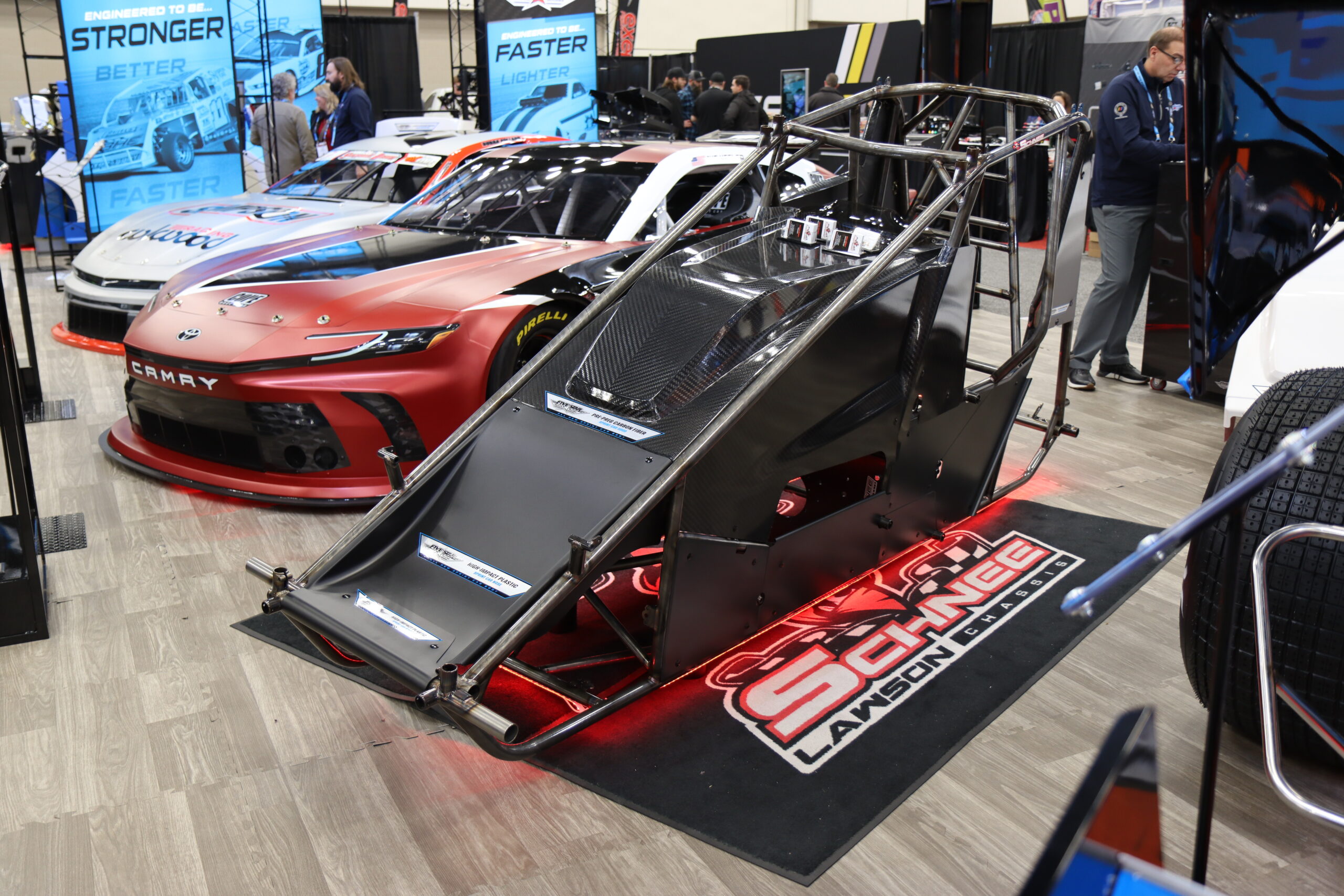
- Vacuum- and pressure-formed components up to large sizes
- Material thicknesses from 0.010–0.500 inches
- Polycarbonate panels engineered for extreme impact environments
- Precise 3-, 5-, and 6-axis CNC trimming for tight automotive tolerances
High-Performance Polycarbonate Windows & Glazing
- Up to 200–250× stronger than glass at a fraction of the weight
- Significant weight reduction improves EV range and handling
- Ideal for roof systems, door windows, aerodynamic glazing covers, and instrument displays
Fusionite™ Coatings for Durability & Clarity
- Abrasion resistance (often reported under 2% Taber haze, verify against current data sheet)
- UV stability to protect EV interiors and glazing
- Anti-fog, anti-glare, and chemical-resistant options for specialty EV use cases
Rapid Prototyping & OEM Support
- Prototypes delivered in as little as ~2 weeks
- In-house testing meets ASTM, ANSI, ISO, FMVSS, and automotive OEM requirements
- ISO 9001:2015 certified quality and scalable production capacity
Broader Impacts of Lightweight Thermoformed EV Panels
Lightweight components aren’t just about range. hey also influence sustainability, manufacturability, and lifetime performance. Five Star’s thermoformed and polycarbonate solutions support ESG goals, reduce waste, and improve long-term reliability.
Environmental Impact
- Lower vehicle weight reduces energy consumption and charging frequency
- Longer-lasting components reduce lifecycle waste
- UV-stable, chemical-resistant coatings minimize replacements and disposal
- Lightweighting supports OEM carbon reduction strategies
Operational & Economic Impact
- Reduced warranty claims due to improved durability
- Fewer replacements lower maintenance costs
- Enhanced vehicle performance and customer satisfaction
- Greater design freedom for next-generation EV platforms
Future Trends in Lightweight Thermoformed EV Components
As EV innovation accelerates, thermoformed plastics and polycarbonate technologies will continue to expand their role in advanced vehicle design.
Key Trends to Watch
- Integrated aerodynamic glazing that combines polycarbonate windows and composite structures
- Multi-function thermoformed panels with built-in channels for cooling or wiring
- Heat-reducing and IR-reflective coatings that support battery and cabin thermal management
- Sustainable material formulations that align with emerging EV recycling standards
- Impact-resistant lightweight battery enclosures using hybrid laminate thermoformed structures
Frequently Asked Questions
What makes thermoformed panels ideal for EVs?
Their low weight, design flexibility, durability, and cost-efficiency improve EV range and performance while supporting rapid production cycles.
How much weight can thermoformed plastics save?
Typically 40–70% less than metal components, depending on geometry and material selection.
Can thermoformed components handle EV battery heat and chemicals?
Yes. Five Star’s engineered plastics and Fusionite™ coatings offer chemical and thermal resistance suited for battery splash zones and cooling systems.
Do Five Star’s thermoformed panels meet automotive standards?
Yes. Five Star supports FMVSS, ANSI, ISO, and OEM-specific documentation through its ISO 9001:2015-certified processes.
Can Five Star produce large or complex components for EVs?
Yes. ur forming ovens and CNC capabilities handle large-format parts and complex geometries with high repeatability.
Design and Test Notes (Quick)
- Abrasion: ASTM D1044 (Taber) haze increase. Verify the latest spec sheet values.
- Impact/strength: Comparative performance versus glass depends on method and thickness (for example ASTM D256 and IZOD/Charpy).
- Optical/glazing: Automotive glass markings AS1/AS2 may apply depending on part type and regulations.
- Dimensions: Large-format capacity and tolerances vary with geometry, thickness, and tooling.
Build Longer-Range, Lightweight EVs with Five Star Fabricating
Lightweight thermoformed panels are essential to maximizing EV efficiency, improving range, and delivering long-term durability. Five Star Fabricating combines advanced thermoforming, high-performance polycarbonate, and industry-leading Fusionite™ coatings to engineer components that meet the rigorous demands of modern electric vehicles.
Ready to enhance EV range through intelligent lightweighting?
Contact Five Star Fabricating Today