
- Home
- News & Blogs
- Heavy Equipment
Polycarbonate Components for Electric Heavy Machinery: Solving the Weight and Durability Tradeoff
Electric heavy machinery forces OEMs to balance battery range against durability and operator safety. How polycarbonate windows, enclosures, and panels deliver both.
In This Article
The shift to electric heavy machinery is gaining momentum, fueled by growing demand for sustainability and operational efficiency. But the transition introduces new engineering challenges, particularly in balancing vehicle weight, battery range, and component durability.
The Challenge for Electric Construction Equipment
Electric power systems dramatically change the design and operating demands of heavy equipment, creating a unique set of challenges:
Every pound of vehicle weight affects battery-electric efficiency. Traditional materials like steel and glass are heavy, reducing operating range and requiring larger, costlier battery packs.
Electric drivetrains generate different vibration frequencies than diesel engines, placing new stresses on operator cabs, enclosures, and structural components.
OEMs can't compromise on safety. Cabs must meet or exceed ROPS and FOPS standards, but achieving this with traditional materials often adds excessive weight.
Battery systems and high-voltage electronics generate significant heat and need protection from external temperatures. Materials must insulate or withstand high operating temperatures.
Electric machinery depends heavily on sensors, onboard computers, and telematics. Components must be designed to accommodate these electronics.
The critical tradeoff: lightweight materials to maximize battery range, without giving up durability or operator safety.
Solving the E-Mobility Challenge with Advanced Materials
Overcoming these challenges requires a shift to new materials, specifically advanced thermoplastics and lightweight composites. Traditional materials are no longer sufficient for next-generation electric heavy machinery.
Why Polycarbonate Components Lead the Charge
- Significant weight reduction: Polycarbonate windows, guards, and panels can be up to about 50% lighter than comparable glass or metal assemblies, directly improving efficiency and range.
- Extreme impact resistance: Polycarbonate delivers impact strength far above glass, helping protect operators in cabs designed to meet ROPS and FOPS, and shielding critical electronics such as battery packs and charging ports.
- Design and manufacturing flexibility: Polycarbonate can be thermoformed into complex, aerodynamic shapes for modern cab designs and custom-formed enclosures for intricate battery systems, far beyond what flat glass or stamped metal allow.
- Durability and stability: As an amorphous material, polycarbonate offers excellent dimensional stability and stays tough across a wide temperature range, from cold starts well below freezing to elevated operating temperatures around electronics.
- Standards context: For cab glazing safety, designs should align with applicable standards such as ANSI Z26.1.
Specs That Matter
This snapshot summarizes common ranges and why they matter during material selection and design reviews.
| Parameter | Typical Guidance or Options | Why It Matters |
|---|---|---|
| Thickness | 3 to 12 mm typical for cab glazing; component-specific for enclosures | Balances mass, clarity, and impact |
| Operating temperature | Wide range; grade and coating dependent | Supports cold starts and high-load duty cycles |
| Coating options | Abrasion-resistant hard coat, anti-fog, UV-stable | Maintains clarity and service life |
| Impact performance | Substantially higher than glass; geometry and system dependent | Operator and electronics protection |
| Optical metrics | Low haze and high transmittance after coating | Visibility and sensor performance |
| Testing & standards | ANSI Z26.1 for glazing context; haze and transmittance per ASTM D1003 | Compliance context and objective validation |
Use this table as a quick reference during design review, then confirm final specifications through our coating selection, forming process, and lab testing.
How Five Star Fabricating Enhances Electric Heavy Machinery
At Five Star Fabricating, we partner with OEMs to integrate high-performance polycarbonate components, turning electrification challenges into a competitive advantage.
Our hard-coated, abrasion-resistant polycarbonate windows deliver glass-like clarity with the light weight and safety electric construction equipment requires, reducing vehicle weight, extending range, and lowering operating costs.
Lightweight, impact-resistant enclosures for battery systems, charging ports, and electronic control units protect critical systems from vibration, moisture, and site hazards, maximizing uptime and reliability.
Replacing metal or fiberglass panels with thermoformed plastics reduces weight while maintaining structural integrity, vital for sustainable heavy equipment that meets today's performance expectations.
Electrifying a machine platform? Let's engineer the windows, enclosures, and panels.
Frequently Asked Questions: Polycarbonate in Heavy Equipment
Is polycarbonate as clear as glass?
Yes. Modern optical-grade polycarbonate offers exceptional clarity. Treated with our hard coatings, it also resists scratching and UV degradation over the long term, keeping visibility clear throughout the life of the machine.
How does polycarbonate improve operator safety?
Polycarbonate's high impact strength absorbs and dissipates force, reducing shattering and penetration from high-velocity debris. This supports cab safety when the full system is designed to relevant standards.
Can polycarbonate components withstand harsh chemicals and weather?
Uncoated polycarbonate is moderately resistant to oils and greases but can be vulnerable to scratching, UV yellowing, and certain chemicals such as alkalis. That is why we apply advanced hard coatings so the material performs in demanding environments.
Related Reading
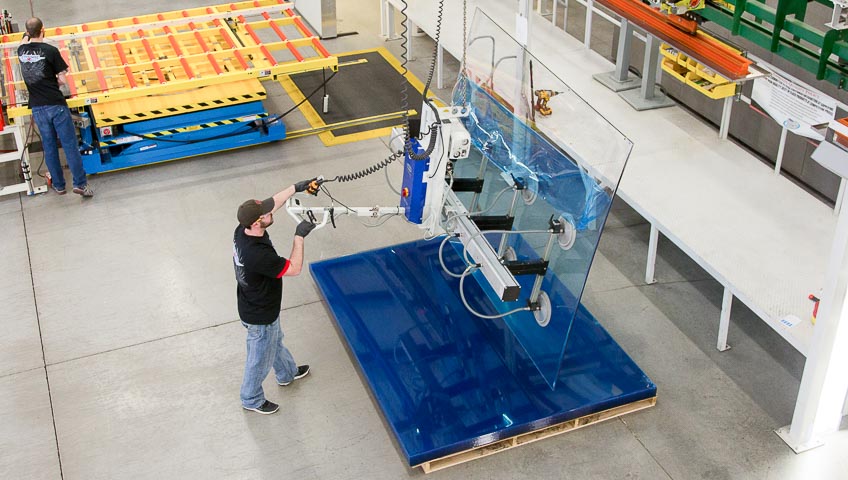 ApplicationHeavy Equipment WindowsCab windshields, side windows, and doors built for impact, dust, and daily wiper cycles.
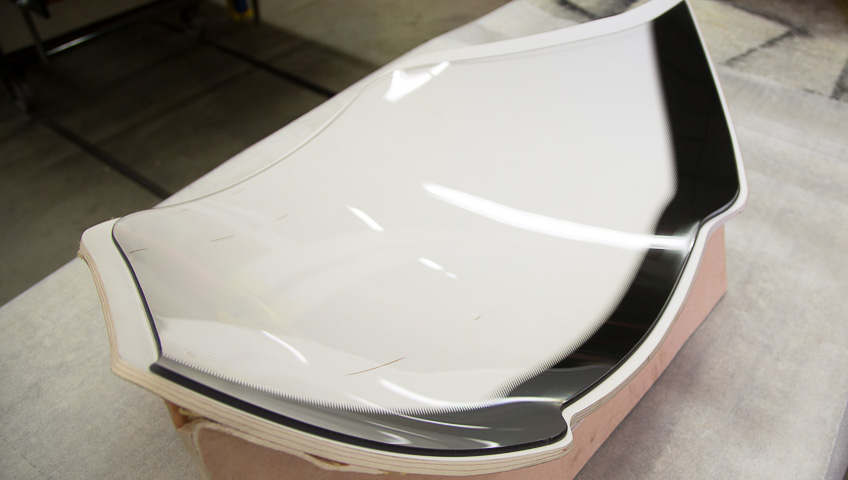 CapabilityThermoformed PlasticsLightweight enclosures, guards, and panels for batteries, ECUs, and cabs.
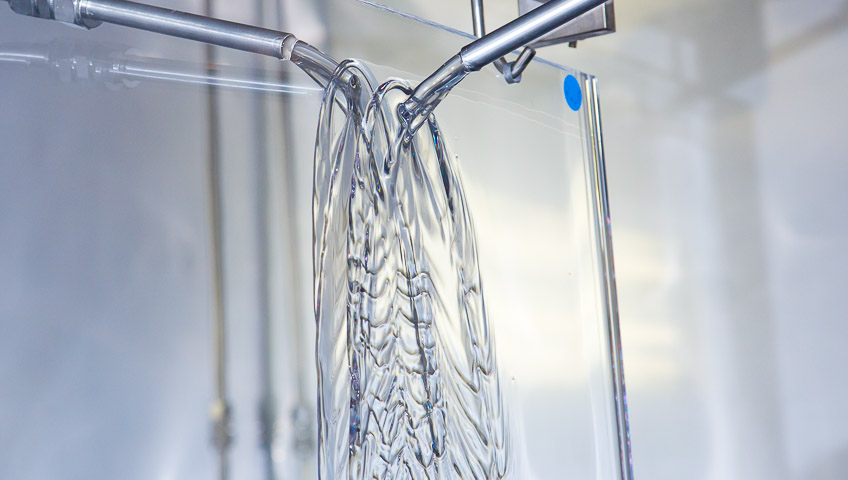 CapabilityThe Fusionite Coating LineHard coatings that keep polycarbonate clear against abrasion, chemicals, fog, and UV.
Build the Future of Electric Heavy Machinery
The future of heavy machinery is electric, and its success depends on advanced materials. Partner with Five Star Fabricating to engineer durable, lightweight polycarbonate components for the next generation of electric heavy equipment.